• Home
  • Episodes
  • Books for Leaders
  • About Us
    • Our Team
    • Contact Us
  • Our Sponsors
  • Blog
  • Our Newsletter
The Leadership Podcast

The Leadership Podcast

We Study Leaders

August 31, 2022

TLP322: Making Influence Your Superpower

https://traffic.libsyn.com/secure/theleadershippodcast/TLP_322.mp3
Play in New Window Download

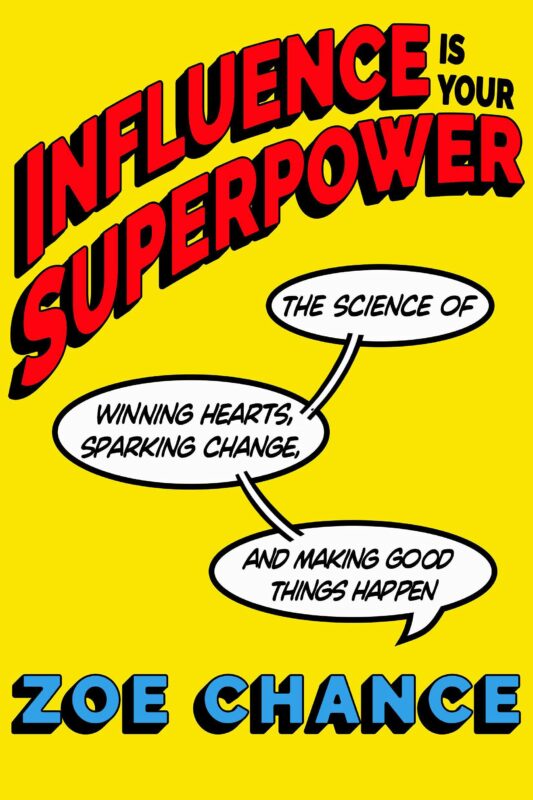
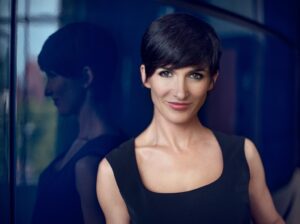
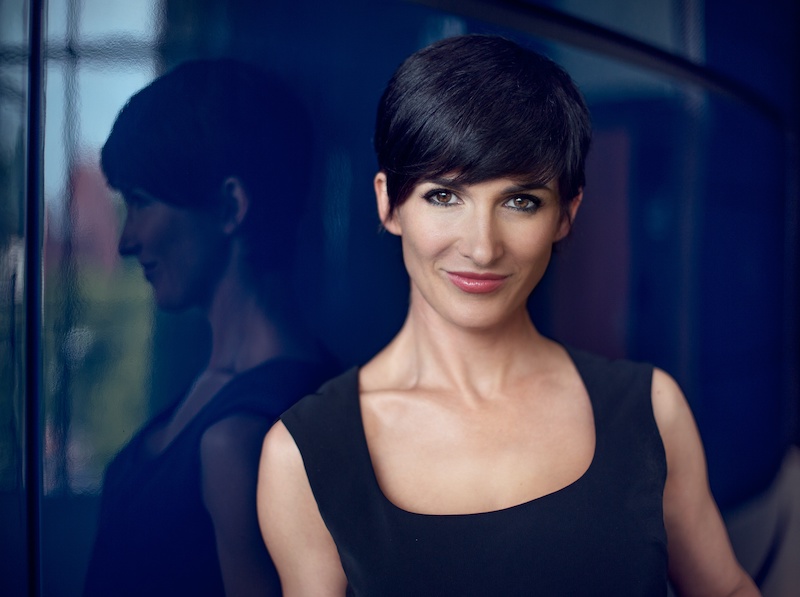
Dr. Zoe Chance is a professor at the Yale School of Management. Her research has been published in top academic journals and major publications. Her framework for behavior change is the foundation for Google’s global food policy. She is also the author of Influence Is Your Superpower: The Science of Winning Hearts, Sparking Change, and Making Good Things Happen. In this conversation, Zoe describes the forms of influence and she promotes the theme that good relationships lead to good work. She encourages having the difficult conversation the same day you notice something is amiss, so problems can be quickly resolved and resentment doesn’t build. She challenges the listener to use influence in the grand scheme, and not just for individual purposes.

Key Takeaways

[2:11] Zoe, a sci-fi fan, named her daughter Ripley after Ellen Ripley from Aliens.

[5:16] Almost all of us, even the most successful, have negative feelings about influence strategies or tactics, but almost all of us would also like to be more influential. Influence has a bad rap. We think of it as distasteful. With new science, Zoe is bringing back the idea of influence as a leadership trait.

[7:06] People have different definitions of influence and manipulation. Zoe considers influence to be anything that shifts someone’s thinking or behavior, including manipulation, persuasion, behavioral economics, coercion, military might, and incentives. Manipulation is someone trying to influence a person in an underhanded way with a motive that does not align with the well-being of the person.

[8:13] Behavioral economics nudges are mostly imperceptible, but would not be upsetting to people being influenced for their best interest, such as attempts to get people to save more for retirement.

[9:48] Over the past year, up to the rise of bad inflation, employees have had a lot of power, and companies were desperate to hire. There’s been a crisis in the service industry. Now the power is shifting to employers. They want people to be there but, for the most part, they don’t have good reasons for wanting people to be there. Humu’s Laszlo Bock asks, “Why, to look over their shoulder?”

[11:51] Jan, Zoe, and Jim discuss whether most companies need to have their employees in the office, and how the return to the office is being handled.

[13:51] Jim finds that in-person meetings are much more effective than online meetings that are filled with side-text meetings within the meeting. Jim also observes the need to train new college graduates in the culture of the organization. A culture needs to be maintained and groomed like a garden and that happens better in person.

[15:31] Zoe would like to see leaders be better able to create the culture that they want. Bringing people back to the office to experience a negative culture is a horrible plan.

[17:19] Jim contrasts the freedom of travel and the restrictions of the cube farm he experienced early in his career. He didn’t like working in a cube and it affected his career. Now, since the pandemic, everyone has enjoyed freedom, and once freedom has been enjoyed it’s hard for it to be taken away. Zoe says taking freedoms and privileges away will cause a rebellion; she shares an example from a bank.

[20:26] Zoe shares a story featuring the Magic Question “What would it take for that to never happen again?”, and how to use it. It acknowledges that the people you are trying to influence know much more about their life than you do. It’s not perceived as pressure to follow your advice and it can lead to a commitment to the positive outcome you want.

[26:05] Zoe gives a shoutout to the veterans who come through the Yale School of Management. The professors love to have veterans in their classes because they are good listeners, and pay attention to the professors, their colleagues, and their classmates. They amplify other people’s ideas and ask follow-up questions; they only speak when they feel they have something important to share.

[28:16] Zoe tells about her TEDx talk, “How to Make a Behavior Addictive.” She tells how a pedometer injured her body, her marriage, and her relationships. She is vulnerable to technology. Social media is addictive because it’s designed carefully to keep your attention. There is evidence that social media does much more harm than good. Zoe has studied the psychology that makes people want to come back.

[31:28] Zoe explains the manipulative and negative power of variable intermittent rewards. If someone is using variable intermittent rewards to manipulate you, it’s an unhealthy relationship. Social media does that to us constantly.

[35:38] Zoe shares advice for leaders on having difficult conversations involving challenging feedback. Have these conversations as soon as you realize that there’s something amiss, ideally, that day. If you are giving criticism, the longer you wait, the more betrayed the person feels because you’ve been harboring resentment against them. Having the practice of bringing it up as soon as you can is life-changing.

[39:35] How can you have more power within your organization? Internalize the idea that good work comes from good relationships. Reach out to get to know challenging people in other departments and ask questions. “How is this going for you? It’s kind of been a struggle for me and I’d like to understand your perspective.” It’s hard for people not to like you when you reach out and connect with them.

[41:42] Research shows men’s social and professional networks overlap a lot while women’s social and professional networks do not. If you are a woman, Zoe advises you to reach out to women and men at work, especially if you’re not already friends with lots of people at work. You will find a friendly rapport and reciprocity that leads to things happening more easily. Men usually have better networks.

[43:41] As Zoe was writing Influence Is Your Superpower, she asked a group of people about negotiations. Only 40% of men and 17% of women said they like or love negotiating. When she asked another group to describe their most recent negotiation, their adjectives were overwhelmingly positive. About 80% of them had had a good result and felt empowered!

[47:54] Zoe discusses power in an organization. Influence works the same in leadership and relationships. The idea that a leader should never apologize because apologizing gives up power is wrong to Zoe. You build a lot of social capital by apologizing at the right time, in the right way, and by taking responsibility. That’s powerful!

[49:44] Zoe provides an anecdote that listeners can copy about a leader raising his status by sharing the spotlight. Jess Cain VP of Customer Service at Eversource has a 96% employee engagement rating by sharing a short weekly voicemail including a spotlight on two different team members. She has 1,500 members on her team. Jan notes also that people support what they help create.

[53:27] Zoe’s challenge to listeners: Challenge the frame of consumerism. Thinking of ourselves as consumers has caused the climate crisis. Think about using your influence in the grand scheme and not just for your benefit. Be a role model. Zoe is donating half the profits from her book to 350.org.

[56:00] Closing quote: “Think twice before you speak because your words and influence will plant the seed of either success or failure in the mind of another.” — Napoleon Hill.


The Leadership Podcast is sponsored by W.S. Darley & Company.  

Founded in 1908, Darley remains a family owned and operated business, providing the highest quality equipment solutions to our country’s warfighters and firefighters.  

Learn more at darley.com and darleydefense.com


Quotable Quotes

“Almost all of us, … have mixed feelings about influence. … If I ask people … what are three adjectives that come to mind when you think of influence tactics, [it's] yucky, greedy, manipulative. … When I ask … ‘Would you like to be… Share on X “Employees have been more productive at home than they have been at work, … but it hasn’t changed the fact that employers want employees to come back.” Share on X “Employers that offer more flexibility are going to do much better in the long run, because they’ll be able to recruit the best talent.” Share on X “As most academics do, we collaborate with people that we never see and that’s partly because we’re introverted and so we’re kind of happy to be in our little cave. But there’s no problem with collaborating with people that you… Share on X “If you want to onboard new people and help them make friends; to have informal conversations and collaborations, OK, that’s great. We just don’t need to all be at the office every single day, or even every single week, right?” Share on X “Plenty of surveys have shown that leaders are actually out of touch about the real culture of their company. … the actual reality is kind of a crappy culture. It’s horrible to bring people back to the office to experience the… Share on X “Bringing people back to the office or allowing people to work remotely has a differential impact on women and people of color and various groups. So there’s more equality when we have more flexibility. That’s another reason I’m… Share on X “Every freedom, every privilege, should be so carefully and thoughtfully doled out with the expectation that what you’re giving an employee is going to be in perpetuity, or there’s going to be a rebellion.” Share on X “When she’s asking this {Magic Question], she’s respectfully acknowledging ‘Listen, you know all kinds of things that I don’t know,” which is always the case with the people we’re trying to influence. They know all kinds of things… Share on X “The most addictive piece [of social media] … is called ‘variable intermittent rewards.’” Share on X “We also often don’t really realize what our expectations are until they get violated.” Share on X “Just internalize the idea that good work comes from good relationships.” Share on X “There is a ‘liking’ gap of 12%, where people like you 12% more than you think that they do. And this very much includes people who you have some bit of conflict or strife with.” Share on X “The majority … have this idea of negotiations that … comes from the movies. … We don’t directly observe many negotiations and we’re just not realizing that in our lives, most of the time when we’re negotiating, it goes pretty well.… Share on X
[mybooktable series=”tlp-322″]

Resources Mentioned

  • Theleadershippodcast.com
  • Sponsored by: Darley.com
  • Rafti Advisors. LLC
  • Self-Reliant Leadership. LLC
  • Dr. Zoe Chance
  • Dr. Zoe Chance on LinkedIn
  • Yale School of Management
  • Google
  • “How Google Optimized Healthy Office Snacks,” by Zoe Chance,  Ravi Dhar,  Michelle Hatzis,  and Michiel Bakker
  • Aliens
  • Resident Alien
  • Robert Cialdini
  • Daniel Kahneman
  • Laszlo Bock from Humu
  • Gloria Steinem
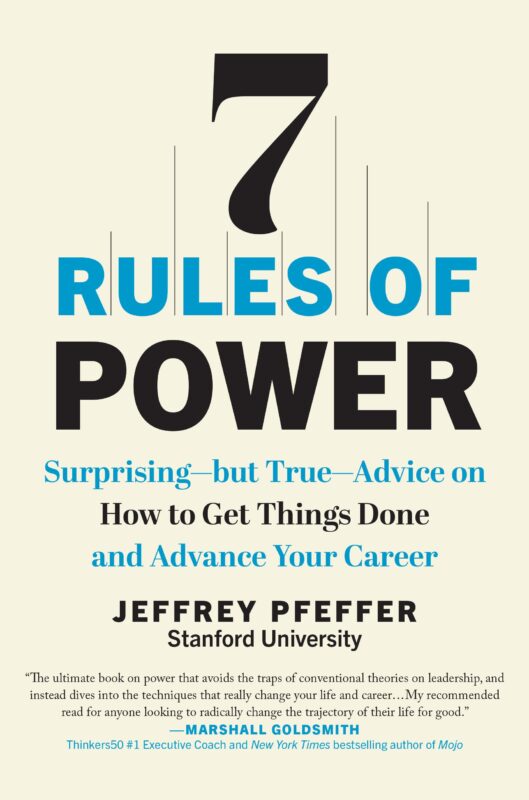
  • Jeffrey Pfeffer
  • Eversource Energy
  • Jessica Cain
  • 350.org
  • Corporate Competitor Podcast, with Don Yaeger

Filed Under: Podcast Tagged With: business, influence, leadership, speaker

TLP321: You rent your title; you own your dig...
TLP323: Make a Bigger Impact by Saying Less

Related Posts

  • TLP420: The Gift of Meritocracy with Shawn Dawley
  • TLP411: New AI Tool from 400+ Episodes of The Leadership Podcast with Jim Peters
  • TLP202: This is No Time for Spectators – General (Ret.) Martin Dempsey
  • TLP385: Be Authentic, Boost Connections, and Make Bold Bets on Yourself with Selena Rezvani
  • TLP197: The Gift of Struggle
iTunes
Spotify
Audible
SoundCloud
iHeartRADIO

Instagram Feed

westudyleaders

#leadership #leadershiptraining #leader #westudyleaders

It's easy to chase the next title. Harder to ask w It's easy to chase the next title. Harder to ask what you're actually building once you get there.Kim's closing message reframes leadership away from status — and toward legacy and impact.Dive into the full conversation now. https://bit.ly/TLP-522?utm_campaign=coschedule&utm_source=instagram&utm_medium=westudyleaders#boldleadership #kimsvoboda #leadershiplegacy #intentionalleadership #executivecoaching #leadershipmindset #leadershippodcast #whatmatters
Most companies reward CEOs for riding good markets Most companies reward CEOs for riding good markets and punish them for bad timing. Patrick Ryan says that's backwards. If the boom isn't your doing, the credit isn't yours. If the crash isn't your fault, the blame isn't either. Judge leaders on what they actually controlled. On the value they built. Not on the luck they rode. That changes how you hire, promote, and evaluate performance.Hear the full conversation. https://bit.ly/TLP-519?utm_campaign=coschedule&utm_source=instagram&utm_medium=westudyleaders#leadership #ethics #performance #accountability #executiveleadership #moralcapitalism #leadershippodcast #businessethics
Murshad Chowdhury just exposed what most leaders g Murshad Chowdhury just exposed what most leaders get wrong.They think communication is about being heard.It's actually about hearing.The biggest conflicts in teams? Someone didn't listen to what the other person meant to say.Not what they said. What they meant.That's the gap that costs leaders their credibility.Watch how to master this: https://bit.ly/TLP-515?utm_campaign=coschedule&utm_source=instagram&utm_medium=westudyleaders#communicationskills #leadershipdevelopment #listeningskills #theleadershippodcast #executiveleadership #teambuidling #leadershiplessons #conflictresolution
Debate isn't about winning. It's about thinking cl Debate isn't about winning. It's about thinking clearly when it matters.Meet Murshad Chowdhury: founder of Tech Duels, LogiCoach AI, and the Veterans Technology Conference. He's spent years teaching brilliant people how to actually communicate.In this episode, you'll discover:Why structured debate builds communication skills faster than traditional trainingHow competition strengthens your ability to listen (not just talk)Why the future belongs to people who combine tech with human judgmentThe communication gap costing talented professionals their careersNew episode drops now. https://bit.ly/TLP-YT-515?utm_campaign=coschedule&utm_source=instagram&utm_medium=westudyleadersListen here - https://bit.ly/TLP-515?utm_campaign=coschedule&utm_source=instagram&utm_medium=westudyleaders#leadershipdevelopment #communicationskills #debateskills #executivepresence #theleadershippodcast #criticalthinkingg #techleadership #aiandhumanskills
Most leaders frame failure as the opposite of winn Most leaders frame failure as the opposite of winning. Matt Cavanaugh says that framing is the whole problem.Win, learn, or die. No other outcomes exist. And that one shift changes how you look at every setback you've been carrying around.The leader who avoids failure avoids judgment.You'll want to hear him say this in his own words. https://bit.ly/tlpyt508?utm_campaign=coschedule&utm_source=instagram&utm_medium=westudyleaders#leadership #failure #growthmindset #militaryleadership #leadershipdevelopment #mattcavanaugh #bestscarwins #theleadershippodcast #mindset #resilience
Most leaders think tension is toxic. Jim Brown say Most leaders think tension is toxic.Jim Brown says they're wrong.Tension is normal. Predictable. Necessary.The problem isn't that your team disagrees. It's that they don't know what you're aiming for.When people lack clarity around shared goals, disagreements turn into arguments. Someone stomps out. Trust breaks.But when everyone knows what you're actually trying to build together? That same tension becomes energy. Ideas get challenged. Better decisions emerge.Productive tension is anchored in clarity, not comfort.Hear the full conversation on episode 517. https://bit.ly/TLP-YT-517?utm_campaign=coschedule&utm_source=instagram&utm_medium=westudyleaders#productiveconflict #leadershipteams #organizationalhealth #teamdynamics #leadershipdevelopment #conflictresolution #theleadershippodcast #jimbrownorghealth
After 9/11. After watching kids in his high school After 9/11. After watching kids in his high school cry not knowing if their parents at the CIA were alive. After his father disappeared into the agency for two weeks.Nick Black went to war. Survived 27 months of combat. Brought his soldiers home.Then lost one to suicide a week after returning.That moment revealed something no battlefield ever did.The most dangerous enemy is not always in front of you.Sometimes it is the silence you let someone disappear into.The full conversation is up now. https://bit.ly/TLP-513?utm_campaign=coschedule&utm_source=instagram&utm_medium=westudyleadersWatch it on YouTube - https://bit.ly/TLP-YT-513?utm_campaign=coschedule&utm_source=instagram&utm_medium=westudyleaders#leadershippodcast #leadership #podcast #militaryleadership #stopsolidersuicide #selfreliantleadership #leadershipdevelopment #mentalhealth #veteranleadership #service
TLP512: Winning at Work, Losing at Home Our lates TLP512: Winning at Work, Losing at Home Our latest episode with Kevin Rice https://bit.ly/TLP-512?utm_campaign=coschedule&utm_source=instagram&utm_medium=westudyleaders&utm_content=TLP512%3A%20Winning%20at%20Work%2C%20Losing%20at%20Home #leadership #successvsfulfillment #worklifebalance #leadership #leadershipmindset #highperformancelife #burnoutrecovery #personalgrowth #emotionalintelligence #familyfirst #successmindset #ceolife #leadershipdevelopment
They have interviewed four-star generals, Fortune They have interviewed four-star generals, Fortune 500 CEOs, and Olympic athletes. And after all of it, Jan keeps coming back to the same thing. The leaders who left the biggest mark on him were not the ones with the most impressive titles or the most polished answers. They were the ones who walked in curious about Jim and Jan. The ones who asked questions instead of just answering them. Be interested. Care about people. Be nice. It really is that simple and that rare. Clear 40 minutes and give this one your full attention. https://bit.ly/TLP-YT-511?utm_campaign=coschedule&utm_source=instagram&utm_medium=westudyleaders#leadershippodcast #leadership #podcast #selfreliantleadership #leadershipdevelopment #executivecoaching #leadyourself
One of the biggest misconceptions about leadership One of the biggest misconceptions about leadership is that the people at the top somehow found a shortcut.After 500 conversations with CEOs, military leaders, entrepreneurs, and high performers, the opposite appears to be true.The leaders who create lasting impact usually make difficult tradeoffs that most people never see. They often trade off their:TimeComfortCertaintyConvenienceEgoNot because they are obsessed with work, but because meaningful growth almost always demands sustained commitment. And most conversations around leadership often skip over the cost.But mastery and long-term excellence rarely happen accidentally and without sacrifice.What do you think most people underestimate when pursuing meaningful success? https://bit.ly/TLP-511?utm_campaign=coschedule&utm_source=instagram&utm_medium=westudyleaders#leadershippodcast #leadership #selfreliantleadership #noshortcuts #executivecoaching #leadershipdevelopment #podcast
Kevin Rice sold his company for nine figures. The Kevin Rice sold his company for nine figures.The deal closed. The wire hit. And he felt almost nothing.Not because the work was not real. It was. But he had been in robot mode for years. Performing at the highest level while suppressing every emotion just to keep functioning.When the victory arrived, there was nothing left to feel it with.He had been so focused on passion that he lost sight of purpose entirely.The rest of Kevin's story is the part most people never talk about. Go listen. https://bit.ly/TLP-512?utm_campaign=coschedule&utm_source=instagram&utm_medium=westudyleaders#leadership #leadershipdevelopment #entrepreneur #purpose #theleadershippodcast #fulfillment #CEOmindset #personalgrowth #worklifebalance #executiveleadership
The problems we are facing in organizations and in The problems we are facing in organizations and in the world did not appear out of nowhere. Maria Brinck has spent years studying the connection between how we lead and the challenges we keep failing to solve. She traces the crisis in leadership back to something most people would rather not look at directly.If you have ever felt like something is fundamentally broken in the way organizations are run, this conversation will give that feeling a name. https://bit.ly/TLP-510?utm_campaign=coschedule&utm_source=instagram&utm_medium=westudyleaders#Leadership #LeadershipDevelopment #TheLeadershipPodcast #OrganizationalCulture #Podcast
Over the last decade on The Leadership Podcast, Ji Over the last decade on The Leadership Podcast, Jim Vaselopulos and Jan Rutherford have spoken with CEOs, military leaders, entrepreneurs, bestselling authors, elite performers, and executives operating at the highest levels of responsibility.Across those conversations, several themes surfaced repeatedly:• Leaders aren't born. Leaders are learners.• Success always involves sacrifice.• Style without substance eventually gets exposed.• Adaptability matters as much as efficiency.• Great leadership begins with genuine interest in other people.One of the most striking observations across 500 plus episodes is that many of the leaders they respected were remarkably humble, reflective, and open about their mistakes. Not perfect, but intentional about growth.In Episode 511 of The Leadership Podcast, Jim and Jan reflect on what 500 conversations taught them about leadership, success, failure, relationships, and human behavior.Link to the full episode - https://bit.ly/TLP-511?utm_campaign=coschedule&utm_source=instagram&utm_medium=westudyleadersLink to the YouTube episode - https://bit.ly/TLP-YT-511?utm_campaign=coschedule&utm_source=instagram&utm_medium=westudyleaders#Leadership #ExecutiveLeadership #LeadershipDevelopment #LeadershipPodcast #BusinessLeadership #PersonalGrowth
Most leaders treat ethics as a cost. Patrick Ryan Most leaders treat ethics as a cost. Patrick Ryan says that's backwards. Morality isn't friction. It's the lubricant that makes markets actually function. Without it, you don't have capitalism. You have extraction. This is what modern business gets fundamentally wrong—and how it shifts everything about how you lead.Watch the full conversation. https://bit.ly/TLP-YT-519?utm_campaign=coschedule&utm_source=instagram&utm_medium=westudyleaders#capitalism #ethics #leadership #adamsmith #moralcapitalism #businessethics #leadershippodcast #virtuouscapitalism
Kevin Rice built his agency straight out of colleg Kevin Rice built his agency straight out of college with no mentor and sold it 13 years later for nine figures. He says he felt almost nothing when it happened.On Episode 512 of The Leadership Podcast, he shares what it was like leading through a pandemic as a new single dad, growing a company by 100+ people, and going through an acquisition at the same time.He calls it "robot mode"—high performance, no emotion, just survival. It worked in business but cost him connection at home.He also shares what parenting taught him about leadership and why presence matters more than time.Listen to Episode 512 wherever you get your podcasts. https://bit.ly/TLP-512?utm_campaign=coschedule&utm_source=instagram&utm_medium=westudyleadersWatch it on YouTube - https://bit.ly/TLP-YT-512?utm_campaign=coschedule&utm_source=instagram&utm_medium=westudyleaders#leadership #entrepreneur #parenting #worklifebalance #leadershipdevelopment #ceo #personalgrowth #success #fulfillment
Most leaders say they prioritize people. David Gra Most leaders say they prioritize people. David Gray actually does it—and it's made all the difference.David Gray, CEO of Fed Up Foods, has doubled his team, scaled to become the largest functional beverage supplier to major retailers, and navigated Hurricane Helene without compromising his mission.In this episode, he shares the four-point crisis playbook he used when infrastructure failed, why connection must come before accountability, and what he learned about empathetic leadership.Listen now. https://bit.ly/TLP-520?utm_campaign=coschedule&utm_source=instagram&utm_medium=westudyleadersWatch it here https://bit.ly/TLP-YT-520?utm_campaign=coschedule&utm_source=instagram&utm_medium=westudyleaders#leadershipdevelopment #crisisleadership #valuesdriven #empathyatwork #culturebuilding #westudyleaders #theleadershippodcast #missiondriven #davidgray #fedupfoods
He was one of Kim Svoboda's best performers. He wa He was one of Kim Svoboda's best performers. He was also a bully.She tolerated it. The results were good. Then he quit in a rage.A week later, the truth came out. Team culture lifted almost overnight.Kim breaks down what tolerating bad behavior really costs a team.Ask yourself who's costing you culture. https://bit.ly/TLP-YT-522?utm_campaign=coschedule&utm_source=instagram&utm_medium=westudyleaders#boldleadership #kimsvoboda #teamculture #toxicemployee #leadershipdevelopment #highperformingteams #leadershippodcast #accountability
She was running a $1B P&L. She was also miserable. She was running a $1B P&L. She was also miserable.Kim Svoboda is founder of Aspiration Catalyst, author of Bold Leadership, 20+ years leading sales orgs before walking away from it all.This week: what happens when you finally measure your life against your own values, and it doesn't add up.Listen to the full episode now. https://bit.ly/TLP-522?utm_campaign=coschedule&utm_source=instagram&utm_medium=westudyleadersWatch it on YouTube - https://bit.ly/TLP-YT-522?utm_campaign=coschedule&utm_source=instagram&utm_medium=westudyleaders#leadershippodcast #boldleadership #executiveburnout #leadershipdevelopment #highperformingteams #employeeengagement #intentionalleadership #careertransition
One of the hardest things Nick Black ever faced ha One of the hardest things Nick Black ever faced had nothing to do with combat.One week after one of the most intense firefights of the deployment, one of those men took his own life.And a year later, Nick read something that broke him open completely.More servicemen and women were dying by suicide than in combat.He still does not fully know what to do with that.But it changed the entire direction of his life.What do you think leaders most often miss when it comes to the people right in front of them?The full episode is up now. https://bit.ly/TLP-YT-513?utm_campaign=coschedule&utm_source=instagram&utm_medium=westudyleaders#leadershippodcast #leadership #stopsolidersuicide #veteranmentalhealth #militaryleadership #podcast #mentalhealth #service #leadershipdevelopment #shorts
Matt Cavanaugh is not telling you to never quit. H Matt Cavanaugh is not telling you to never quit. He's saying the wisdom of any decision can only be judged from the finish line, not the middle of the race. And that the fastest thing that kills a team is a leader who stops believing before the sentence is over.That's worth thinking about this week. Full episode live now. https://bit.ly/tlpyt508?utm_campaign=coschedule&utm_source=instagram&utm_medium=westudyleaders#leadership #quit #endurance #militaryleadership #leadershiplessons #mattcavanaugh #bestscarwins #theleadershippodcast #resilience #growthmindset
Follow on Instagram

Recent Posts

  • TLP522: Stop Building a Life That Looks Good but Feels Wrong
  • TLP521: Why Traditional Networking Is Broken
  • TLP520: Empathy Without Lowering the Bar with David Gray
  • TLP519: The Leadership Idea We Missed for 250 Years
  • TLP518: The Bravery Effect: Jill Schulman on Why Courage Is a Skill, Not a Trait

Recent Comments

  • Anonymous on TLP519: The Leadership Idea We Missed for 250 Years
  • Anonymous on TLP513: The Leadership Cost of Isolation with Nick Black
  • Anonymous on TLP511: What 500 Top Leaders Taught Us — And Why It’s Not What You Think
  • Anonymous on TLP508: Your Scars Are Your Resume
  • Anonymous on TLP505: Why Leadership Coaching So Often Fails

Tags

adaptability assumptions athletics business change coaching communication corporate crucible culture Curiosity decision making education emotional intelligence entrepreneur Executive Coaching financial history humor innovation interview Jan Rutherford Jim & Jan Jim Vaselopulos leader leadership leadership development Leadership Podcast military neuroscience Personal Growth philosophy practitioner productivity relationships resilience speaker sports stories team development teamwork thought leader trust veterans workplace culture

Copyright © 2026 Rafti Advisors, LLC & Self-Reliant Leadership, LLC - All Rights Reserved. | Privacy Policy