
• Home
  • Episodes
  • Books for Leaders
  • About Us
    • Our Team
    • Contact Us
  • Our Sponsors
  • Blog
  • Our Newsletter
The Leadership Podcast

The Leadership Podcast

We Study Leaders

February 15, 2023

TLP346: The Over-Reliance on Authority

https://traffic.libsyn.com/secure/theleadershippodcast/TLP_346.mp3
Play in New Window Download

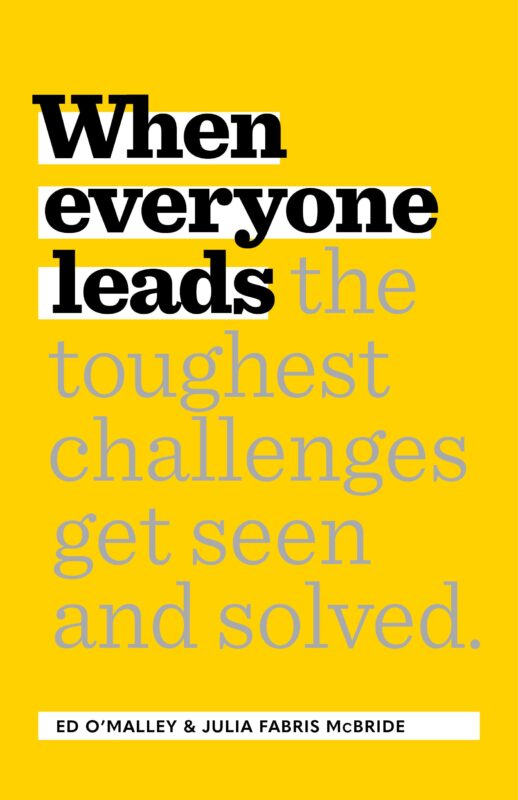
Ed O’Malley is the Founder of the Kansas Leadership Center, President and CEO of the Kansas Health Foundation, and the author of four books, including his latest, “When Everyone Leads.” Ed discusses how leadership differs from authority, and that authority is required to lead. He explores the disruptive aspects and the risks of leadership. Ed explains the type of problems authority solves and the challenges that require unleashing the leadership of the whole team to move forward. Listen in for how to move forward when faced with daunting challenges.

Key Takeaways

[3:25] In Ed’s book, When Everyone Leads, the key is getting people to separate leadership from authority. In some situations, the reliance on authority gets in the way of progress. We need people to know that even if you’re not the captain of the team or boss, the toughest challenges require your leadership, also. The book is about how you unleash that in everybody.

[4:45] Ed talks about over-reliance on authority. Authority is necessary, but it’s not sufficient for making progress on our biggest problems. Challenges between people need to be resolved by the people involved.

[6:14] On our toughest challenges, none of us know exactly the way forward. Trust that the collective is stronger than one person’s idea. If we unleash the leadership of others, so they feel empowered to exercise that leadership, then we start making more progress.

[6:49] If we assume that we have the answers and we know the best way forward, that conveys a lack of trust in the collective. The toughest challenges get solved by people working together.

[8:46] The book is about the toughest challenges. A prerequisite for unleashing leadership in more people is to help people break apart the idea of leadership from the idea of authority. They are different things and people know this intuitively. Ed uses the example of Rosa Parks showing leadership by choosing her seat on the bus.

[10:20] Ed wants people to be conscious of the differences between authority, leadership, people holding positions of authority, and people exercising leadership. Sometimes people in authority exercise leadership. Sometimes People not in authority exercise leadership. Sometimes nobody does. If people see it separately, it opens up a conversation about what the exercise of leadership looks like for them.

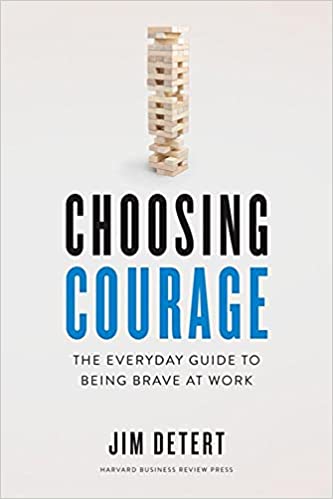
[11:22] Jim cites Jim Detert, author of Choosing Courage, regarding the courage it takes to step up and face big problems.

[12:08] Julia McBride, Ed’s co-author on the book, would say it’s all about clarity of purpose. Those who exercise effective leadership are clear in their deep purpose, and clear on the purpose for the meeting they’re walking into and the role they play in that meeting. They’re clear on the purpose of the project they’re a part of.

[12:46] A lot of people’s purpose is to keep their boss happy. Our toughest challenges are usually about something a lot bigger than that. Leadership is motivating others to make progress on daunting challenges and it hardly ever happens.

[14:24] Ed cites the work of authors Ron Heifetz and Marty Linsky who pioneered the concept of the Zone of Productivity, where there is enough conflict that people are uncomfortable enough to change the status quo, but there is not enough conflict to shut people down. If you don’t have enough conflict, nothing is changing. If you have a lot of heat at work, consider if progress is being made in the work.

[15:32] If the conflict or heat from the top is not leading to progress, then it’s time to ask questions and intervene in the lack of progress.

[16:52] An executive team needs a common language to talk about the dynamics of productivity.

[17:30] Leadership is always about disrupting things. Ed quotes Marty Linsky, “Leadership is disappointing your own people at a rate they can absorb.” When you’re intervening up, you can’t anger the boss too much; you might be out! But If you’re just keeping the boss 100% happy, you might not be doing anything that looks like leadership.

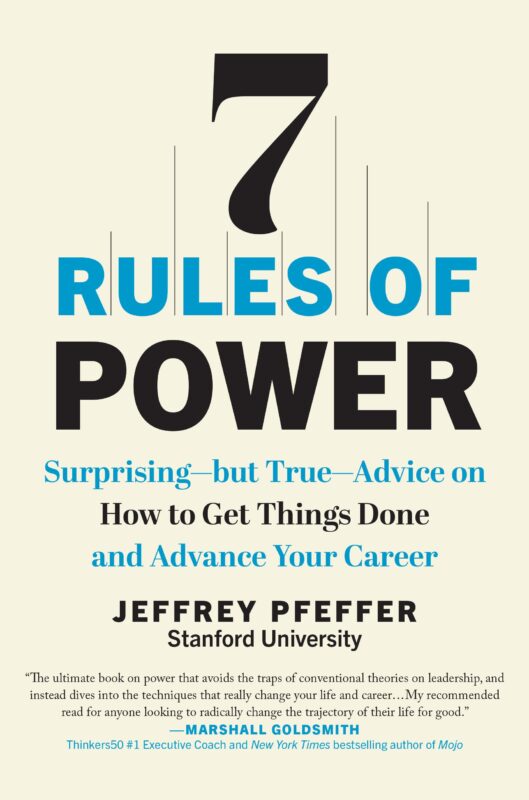
[18:02] Jan recalls Jeffrey Pfeffer’s 7 Rules of Power. It’s evidence-based, controversial, and makes people very uncomfortable. Two of the rules are “Break the rules,” and “Show up in a powerful way.” These are hard to do. You’ve got to know how far you can push a boss before you’re damaging yourself.

[18:36] Ed goes back to being clear about purpose. If your purpose is to get along, be secure, and not rock the boat, you will not get close to exercising leadership. If your purpose is “I want the best value for my clients,” or “I’m a sales leader and I’m taking the organization from this level to that level higher,” then you’ll be willing to disrupt the norms. Leadership is always disruptive and risky.

[19:18] Ed says all of our research is showing if you get lots more people exercising leadership and intervening to create more progress it makes it more likely you’ll get the progress. It’s too tough for one or two people to do alone because it’s too disruptive.

[20:01] A chapter in the book explores the clash of values. Our toughest challenges are often about value clashes. You may have a value of gaining market share and a clashing value of playing it safe and not developing new products because you have a legacy product that has been winning for so long. Leadership is always about helping a system elevate one value over another. There is loss in that.

[21:31] Anyone can ask powerful questions. Ed explains that a powerful question comes from deep curiosity and it’s open-ended. A question that has an exact technical answer is not a powerful question, it’s a fact-based question. Powerful questions help everyone learn. “What’s our greatest aspiration for our organization?”, “What concerns us the most?”, “What makes progress so hard on those things?”

[22:56] Big open-ended questions are powerful and are often game-changing. Powerful questions often make us uncomfortable. They should force us to slow down a little bit and reflect differently.

[24:33] Ed interviewed a sage one time who told him, “Ed, that’s a great question! And it’s a great question because it doesn’t have any answers!” If there’s an easy answer, it might not be a good question.

[25:01] If what you’re working on isn’t a daunting challenge; if it’s run-of-the-mill stuff; if you’ve got a deadline and the work is technical, and you’ve got to meet it, you’re going to drive everybody crazy if you’re walking around asking big, open-ended questions all the time! It’s when you’re trying to focus people on the things that matter most that these powerful questions are so needed.

[26:10] Less senior people may be granted some grace in asking open-ended questions to reveal less knowledge of the organization’s purpose. More senior people may ask powerful questions that tend to shape expectations: “How will we respond to some inevitable failure in our attempts to do X?” This introduces the concept of being adaptive.

[28:49] The book discusses technical problems vs. daunting adaptive challenges. If you have the authority, say, “We’re solving this technical problem this way.” But it is a mistake to treat a daunting adaptive challenge as if it were technical. Those types of challenges where the problem is poorly defined and the answer is unknown cannot be solved by your authority alone. You won’t get progress.

[30:34] Jan tells about Bill Dean. They would be at a problem situation and Bill would say, “OK.” It meant he acknowledged, he understood, and they would step back and pause before trying to find out what the issue was. He said OK, and everybody knew it was going to be OK. Jan learned to step back when people are hitting the Panic button. Ed says, on the toughest challenges, help people to go slow.

[33:32] Have the awareness to discern when you’re facing something adaptive where you don’t know the way forward. In that situation, progress is about creating a system that can be iterative, that can be experimental, that can take smart risks, learn from them, and take bigger risks. If the situation doesn’t call for that and we bring it, we’re just going to create more problems.

[34:10] There are a lot of big ideas in the book. One is knowing the difference between the technical problems and the adaptive challenges. They require you to lead differently. Another idea is that your authority is a resource but it is not enough to solve adaptive challenges, so you unleash leadership for others in an iterative, learning environment where risk-taking is expected.

[36:25] There are expectations on those in authority. Ed repeats that leadership is disappointing your people at a rate they can absorb. People have expectations of those in authority and history is full of examples of what happens to people in authority if they disrupt those expectations too much. Live within the expectations, but push against them, as well.

[37:04] Ed explores how those in authority successfully used leadership during the pandemic to be firm and specific about the process they would use to solve the issue without going into what the outcome of the issue would be. They used authority to help people feel safe and that there is some order to things. They talked about the timeline for bringing the best people together to solve the problem.

[38:16] Jim compares how Jessica Chen from the previous podcast episode described the same situation of describing the process you are going through to arrive at an answer when dealing with ambiguity. Jim recommends listening to that episode, as this is a big and important concept. Ed agrees, it is important, but it is hard to practice. Go back to knowing whether it is an adaptive challenge or a technical problem.

[39:31] If it’s a technical problem and you are in authority, use your authority to solve the problem. For listeners who aren’t in authority, Ed reminds you to break apart authority and leadership. If you connect them, it lets everybody off the hook, and it’s the CEO’s job. That puts too much pressure on those in authority. They can’t deliver. The truth is, in the big tough challenges, we’ve all got a part in the mess.

[40:25] Jack Welch said, “You can’t scale complexity.” Ed’s book leads toward simplifying our approach. Jan recommends listeners read Ed’s book. It’s easy to read and laid out in a way that’s very pragmatic.

[42:06] Ed’s challenge to listeners: “I think we’ve got to get the bat off our shoulder and take some swings. … Learn how do you take those swings with confidence and skill so you can get a few more hits than you would otherwise.”

[44:12] Closing quote: Remember, “Unity is strength…  When there is teamwork and collaboration, wonderful things can be achieved.” — Mattie Stepanek

The Leadership Podcast is sponsored by W.S. Darley & Company.  

Founded in 1908, Darley remains a family owned and operated business, providing the highest quality equipment solutions to our country’s warfighters and firefighters.  

Learn more at darley.com and darleydefense.com


Quotable Quotes

“We need people to know that even if you’re not the captain of the team, the boss, the CEO of the company, or the mayor of the town, the toughest challenges require your leadership, also.” Share on X “I think we have an over-reliance on authority. Authority is useful; it’s necessary, but it’s insufficient for making progress on our biggest challenges.” Share on X "A prerequisite for unleashing leadership in more people is to help people break apart the idea of leadership from the idea of authority. We’ve got to get people to see them as two different things. They are totally separate. And I… Share on X “Authority is a role; it’s a position, and leadership is an activity. And sometimes those in authority exercise it. But most of the time they don’t. And sometimes people not in authority exercise leadership. But a lot of times, they… Share on X “The book is counter-cultural, in that regard. We’re trying to create a new norm for what leadership even is.” Share on X “Leadership is always about disrupting things.” Share on X “Leadership is so rare because it’s risky; … it’s disruptive, which is why all of our research is showing if you get lots more people exercising leadership; intervening to create more progress, it’s … more likely you’ll get the… Share on X “Big open-ended questions are powerful and they’re often game-changing.” Share on X “If what you’re working on isn’t a daunting challenge; if it’s run-of-the-mill stuff; if you’ve got a deadline and the work is technical, and you’ve got to meet it, you’re going to drive everybody crazy if you’re walking around… Share on X “It’s when you’re trying to focus people on the things that matter most that these curiosity-based, open-ended, powerful questions are so needed.” Share on X
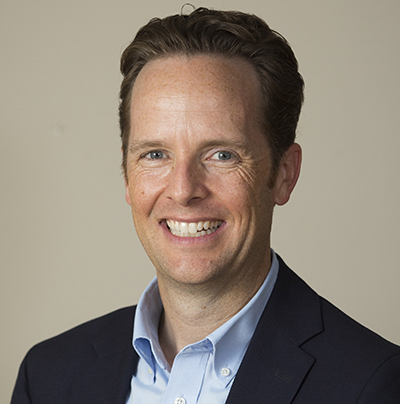
Ed O’Malley

These are the books mentioned in our discussion with Ed.

Choosing Courage: The Everyday Guide to Being Brave at Work

Buy This Book Online
Buy from Amazon
Choosing Courage: The Everyday Guide to Being Brave at Work
Buy now!
Choosing Courage: The Everyday Guide to Being Brave at Work

7 Rules of Power: Surprising–but True–Advice on How to Get Things Done and Advance Your Career

Buy This Book Online
Buy from Amazon
7 Rules of Power: Surprising–but True–Advice on How to Get Things Done and Advance Your Career
Buy now!
7 Rules of Power: Surprising–but True–Advice on How to Get Things Done and Advance Your Career

When Everyone Leads: How The Toughest Challenges Get Seen And Solved

Buy This Book Online
Buy from Amazon
When Everyone Leads: How The Toughest Challenges Get Seen And Solved
Buy now!
When Everyone Leads: How The Toughest Challenges Get Seen And Solved

Resources Mentioned

  • Sponsored by: Darley.com
  • Rafti Advisors. LLC
  • Self-Reliant Leadership. LLC
  • Ed O’Malley
  • Kansas Leadership Center
  • Kansas Health Foundation
  • The Colorado Health Foundation
  • Todd Satterson
  • U.S. Navy SEALS
  • Jim Detert
  • Ron Heifetz
  • Marty Linsky
  • Jeffrey Pfeffer
  • Jessica Chen
  • Jack Welch

Filed Under: Podcast Tagged With: authority, culture, Curiosity, interview, leader, leadership, practitioner, questions

TLP345: Confidence and Executive Presence
TLP347: Validation is for Parking

Related Posts

  • TLP008: Genuine Trust is the Foundation of Team Red, White and Blue
  • TLP478: The Consequences of Inaction with Nick Cooney
  • TLP442: Failures Are What Shape Us with Andy Hilger
  • TLP118: What’s Been on Our Mind: Decision-Making & Networking
  • TLP395: AI Won’t Take Your Job, but AI-Savvy Marketers Will with Chris Johnson
iTunes
Spotify
Audible
SoundCloud
iHeartRADIO

Instagram Feed

westudyleaders

#leadership #leadershiptraining #leader #westudyleaders

In today's episode, Sara Sabin said AI might be ma In today's episode, Sara Sabin said AI might be making us lazy, but it's not the tool itself, it's how we're using it. When everything starts looking the same - marketing, emails, even school essays - we've got a problem. The real danger isn't robots taking over, it's us stopping our brains from doing the hard work that makes us, us.Listen to the full conversation https://bit.ly/TLP-477?utm_campaign=coschedule&utm_source=instagram&utm_medium=westudyleadersWatch the full conversation https://bit.ly/TLP-YT-477?utm_campaign=coschedule&utm_source=instagram&utm_medium=westudyleaders#leadership #AI #criticalthinking #neuroscience #podcast
TLP508: Your Scars Are Your Resume Our latest epi TLP508: Your Scars Are Your Resume Our latest episode with Matt Cavanaugh https://bit.ly/TLP-508?utm_campaign=coschedule&utm_source=instagram&utm_medium=westudyleaders&utm_content=TLP508%3A%20Your%20Scars%20Are%20Your%20Resume #leadership #failure #resilience #personalgrowth #militaryleadership #army #leadershipdevelopment #scars #overcomingsetbacks #growthmindset #selfimprovement #missiondriven #leadershiplessons #mattcavanaugh #bestscarwins #retiredmilitary #learnfromfailure #purposedriven #leadershippodcast #servantleadership #judgment #emotionalgrowth #leadershiptips #mindset #growthjourney
We’re thrilled to announce that The Leadership Pod We’re thrilled to announce that The Leadership Podcast is #2 in the Top 100 Sales Weekly chart and ranked in the top 10 in multiple Goodpods categories! Thank you for listening and supporting us! #LeadershipPodcast #PodcastRankings #Sales #Goodpods
Most leaders hit a wall at some point. Not because Most leaders hit a wall at some point. Not because they lack skills, not because the people around them aren't capable, but because the belief running quietly in the background still hasn't caught up to the level they're leading at now.Muriel M. Wilkins has spent 22 years coaching C-suite leaders and she keeps seeing the same pattern: the action changes, the belief doesn't. And then people wonder why nothing sticks.This conversation gets into what she calls hidden blockers, seven assumptions so familiar they feel like personality.Episode 503 with @MurielMWilkins is out now. Tap the link https://bit.ly/TLP-503?utm_campaign=coschedule&utm_source=instagram&utm_medium=westudyleadersWatch it on YouTube - https://bit.ly/TLP-YT-503?utm_campaign=coschedule&utm_source=instagram&utm_medium=westudyleaders#LeadershipPodcast #ExecutiveCoaching #LeadershipUnblocked #LeadershipDevelopment #SelfAwareness #GrowthMindset #LeadBetter #ThinkLikeALeader #CoachingLeaders #MurielMWilkins
No sugarcoating it. Will Linssen has coached leade No sugarcoating it. Will Linssen has coached leaders across six continents and says ego is the single biggest reason people don't change, no matter how much potential they have.And the scary part? Most of them don't even know it's happening. He breaks down exactly how to spot it early and what to do about it. TLP505 here - https://bit.ly/TLP-505?utm_campaign=coschedule&utm_source=instagram&utm_medium=westudyleaders#leadership #leadershipcoaching #coachability #selfawareness #westudyleaders #theleadershippodcast #executivecoaching
Our guest in this week's episode is Will Linssen, Our guest in this week's episode is Will Linssen, he has coached over 100,000 leaders across six continents. 95% of them got measurably better. Not self-reported. Confirmed by their coworkers.So what is everyone else missing?If your team isn't noticing your growth, Will's answer about it is simple and kind of uncomfortable. Click the link to listen to TLP505 with Will Linssen. https://bit.ly/TLP-505?utm_campaign=coschedule&utm_source=instagram&utm_medium=westudyleadersWatch it on YouTube- https://bit.ly/TLP-YT-505?utm_campaign=coschedule&utm_source=instagram&utm_medium=westudyleaders#leadership #leadershipcoaching #executivecoaching #leadershipdevelopment #coaching #teamperformance #theleadershippodcast #westudyleaders #triplewin #willlinssen
Thank you to our listeners! The Leadership Podcast Thank you to our listeners! The Leadership Podcast is now #2 in Sales Weekly and ranked in the top 10 in multiple Goodpods charts. We appreciate your support! #Leadership #Podcast #Goodpods
TLP503: 7 Hidden Beliefs That Sabotage Leaders (An TLP503: 7 Hidden Beliefs That Sabotage Leaders (And How to Break Them) – with Muriel M. Wilkins Our latest episode with Muriel M. Wilkins https://bit.ly/TLP-503?utm_campaign=coschedule&utm_source=instagram&utm_medium=westudyleaders&utm_content=TLP503%3A%207%20Hidden%20Beliefs%20That%20Sabotage%20Leaders%20%28And%20How%20to%20Break%20Them%29%20%E2%80%93%20with%20Muriel%20M.%20Wilkins #leadership #leadershipdevelopment #executivecoaching #selfawareness #mindsetshift #innerwork #leadershipgrowth #personaldevelopment #highperformance #emotionalintelligence #coachingleaders #leadershipmindset #growthmindset #leadershiptips #breakthrough #selfleadership #peakperformance #leadershipskills #thinkdifferent #unblockyourself #professionalgrowth #leadershippodcast #businessleadership #leadbetter #nextlevelleadership
We’re celebrating our Goodpods achievements! The L We’re celebrating our Goodpods achievements! The Leadership Podcast is ranked #2 in Sales Weekly and in the top 10 in several other categories. Thank you for being part of our community! #LeadershipPodcast #PodcastCharts #Sales #Management
Admiral McRaven says you need swagger to lead. Sho Admiral McRaven says you need swagger to lead. Shoulders back, head up, make them believe you've got this figured out. But the second you actually believe your own hype? That's when hubris gets you killed. The difference between confidence and arrogance is humility, and every great leader McRaven knows has someone who'll tell them when their plan is stupid.Full episode at https://bit.ly/TLP-YT-500?utm_campaign=coschedule&utm_source=instagram&utm_medium=westudyleaders#Leadership #Humility #AdmiralMcRaven #Swagger #NavySEAL #TheLeadershipPodcast #MilitaryLeadership #Confidence
Most people only recognize disruption when it's ma Most people only recognize disruption when it's massive. Patrick Leddin says the small ones matter just as much. A hallway conversation. A bad performance review. An unexpected no. All of it counts. All of it is an opening if you're willing to look at it that way.This one is worth your commute. Episode 507 is out now. https://bit.ly/TLP-507?utm_campaign=coschedule&utm_source=instagram&utm_medium=westudyleaders#leadership #disruption #leadershippodcast #leadershipdevelopment #westudyleaders #disrupteverything #mindset #leadershipcoach #growthmindset
You emailed them. You cc'd HR. You told yourself y You emailed them. You cc'd HR. You told yourself you handled it. Mark Morgenfruh calls this keyboard cowboy leadership and it's more common than most leaders want to admit. The second one, happy talk, is even worse because it feels like kindness. Episode 502 will make you rethink both. https://bit.ly/TLP-YT-502?utm_campaign=coschedule&utm_source=instagram&utm_medium=westudyleaders#leadership #leadershipdevelopment #remoteleadership #workplaceculture #theleadershippodcast #neverfireanyone #leadershipcoach
Most people treat disruption like a storm they jus Most people treat disruption like a storm they just have to survive. Patrick Leddin spent years studying the people who don't. And what he found is that the gap between leaders who get buried by change and leaders who use it has nothing to do with talent or timing. It starts with one question: are you willing to pause long enough to see what's actually in front of you?Episode 507 is out now. Go give it a listen. https://bit.ly/TLP-507?utm_campaign=coschedule&utm_source=instagram&utm_medium=westudyleadersThe full conversation will change how you think about this. Episode 507 is out now. https://bit.ly/TLP-YT-507?utm_campaign=coschedule&utm_source=instagram&utm_medium=westudyleaders#leadership #disruption #disrupteverything #patrickleddin #leadershipdevelopment #militaryleadership #theleadershippodcast #westudyleaders #growthmindset #changemanagement
TLP504: Why Your Team Is Still Disengaged Our lat TLP504: Why Your Team Is Still Disengaged Our latest episode with Mark Crowley https://bit.ly/TLP-504?utm_campaign=coschedule&utm_source=instagram&utm_medium=westudyleaders&utm_content=TLP504%3A%20Why%20Your%20Team%20Is%20Still%20Disengaged #leadership #employeeengagement #employeewellbeing #leadership #markcrowley #leadfromtheheart #flourishingteams #belongingatwork #workplaceculture #teamperformance #remotework #hybridwork #micromanagement #employeeburntout #humanconnection #leadershipdevelopment #peoplemanagement #emotionalintelligence #workplacebelonging #manageraccountability #hrleadership #workethic #employeemotivation #leadershiplessons #westudyleaders #theleadershippodcast #gallup #workplaceemotions #teamcohesion #powersofemployeewellbeing
Steve Taplin has started 30 companies. 20 of them Steve Taplin has started 30 companies. 20 of them failed. And he's not ashamed to tell you about it.His baseball buddy put it perfectly: "Taplin, you're batting .333. That's the Hall of Fame." Most leaders are terrified one failure will define them. Steve proves that's completely backward. The real problem? Refusing to learn from the wreckage.In this episode, he breaks down the $2 million deal he walked away from, why he keeps journals from 25 years of failures, and the 24-hour rule that keeps him from spiraling. Listen to episode 501 now. https://bit.ly/TLP-501?utm_campaign=coschedule&utm_source=instagram&utm_medium=westudyleadersWatch it on YouTube - https://bit.ly/TLP-YT-501?utm_campaign=coschedule&utm_source=instagram&utm_medium=westudyleaders#LeadershipPodcast #Entrepreneurship #FailureIsData #StartupLife #BusinessLessons
Most leaders are still betting on compensation to Most leaders are still betting on compensation to do the heavy lifting. Mark Crowley spent 15 years in research and senior leadership figuring out why that bet keeps losing. Pay ranked no higher than fifth in every engagement study. Fifth. So what are the other four? That's the conversation. Listen now! https://bit.ly/TLP-504?utm_campaign=coschedule&utm_source=instagram&utm_medium=westudyleaders#leadershipdevelopment #employeewellbeing #markcrowley #leadfromtheheart #theleadershippodcast #westudyleaders #teamperformance #workplaceculture #peoplefirst #leadership
Think back to the biggest leap you ever took in yo Think back to the biggest leap you ever took in your career. Chances are someone pushed you into a role before you felt ready, and it turned out to be the moment that defined everything. The hiring system today is almost perfectly built to prevent that from happening. We screen for experience. We pass on talent. And then wonder why the best people aren't showing up. The full conversation goes even deeper on how to redesign work so you stop losing people at the worst possible moment. https://bit.ly/TLP-YT-506?utm_campaign=coschedule&utm_source=instagram&utm_medium=westudyleaders#Leadership #CareerDevelopment #TheLeadershipPodcast #SteveCadigan #TalentStrategy #Coaching #HiringStrategy
We just hit episode 500 with Admiral William (Bill We just hit episode 500 with Admiral William (Bill) McRaven, and honestly, the crystal ball analogy he shared completely changed how I think about priorities. He spent decades telling people there's no such thing as work-life balance, until a CEO told him about rubber balls versus crystal balls. Full conversation at https://bit.ly/TLP-500?utm_campaign=coschedule&utm_source=instagram&utm_medium=westudyleadersWatch the full conversation here - https://bit.ly/TLP-YT-500?utm_campaign=coschedule&utm_source=instagram&utm_medium=westudyleaders#Leadership #WorkLifeBalance #AdmiralMcRaven #Episode500 #TheLeadershipPodcast #MilitaryLeadership #LeadershipLessons
The thing you've been calling "just how I am" migh The thing you've been calling "just how I am" might be a belief you picked up at 9 years old trying to figure out how to belong. That's not identity. That's an adaptation.Muriel M. Wilkins breaks this down in a way that's hard to dismiss. Ep. 503 on The Leadership Podcast. https://bit.ly/TLP-503?utm_campaign=coschedule&utm_source=instagram&utm_medium=westudyleaders#LeadershipPodcast #LeadershipUnblocked #ExecutiveCoaching #PersonalGrowth #MindsetShift #LeadYourself #HiddenBlockers #KnowYourself #CoachingTools #MurielMWilkins
TLP505: Why Leadership Coaching So Often Fails Ou TLP505: Why Leadership Coaching So Often Fails Our latest episode with Will Linssen https://bit.ly/TLP-505?utm_campaign=coschedule&utm_source=instagram&utm_medium=westudyleaders&utm_content=TLP505%3A%20Why%20Leadership%20Coaching%20So%20Often%20Fails #leadership #leadership, #leadershipcoaching, #executivecoaching, #leadershipdevelopment, #coaching, #teamperformance, #triplewin, #coachingworks, #leadershipskills, #managementtips, #aileadership, #organizationalchange, #westudyleaders, #theleadershippodcast, #leadingwithquestions
Follow on Instagram

Recent Posts

  • TLP511: What 500 Top Leaders Taught Us — And Why It’s Not What You Think
  • TLP510: Why Your Organization Keeps Getting the Same Results (No Matter What You Change)
  • TLP509: Capitalism Without Ethics Is Just Chaos
  • TLP508: Your Scars Are Your Resume
  • TLP507: Disrupt or Be Buried: The Mindset That Changes Everything

Recent Comments

  • Anonymous on TLP508: Your Scars Are Your Resume
  • Anonymous on TLP505: Why Leadership Coaching So Often Fails
  • Anonymous on TLP504: Why Your Team Is Still Disengaged
  • Anonymous on TLP503: 7 Hidden Beliefs That Sabotage Leaders (And How to Break Them) – with Muriel M. Wilkins
  • Anonymous on TLP501: Failure as Fuel: When to push through and when to quit

Tags

adaptability assumptions athletics business change coaching communication corporate crucible culture Curiosity decision making education emotional intelligence entrepreneur financial history humor innovation interview Jan Rutherford Jim & Jan Jim Vaselopulos leader leadership leadership development Leadership Podcast military neuroscience Patagonia Personal Growth philosophy practitioner productivity relationships resilience speaker sports stories team development teamwork thought leader trust veterans workplace culture

Copyright © 2026 Rafti Advisors, LLC & Self-Reliant Leadership, LLC - All Rights Reserved. | Privacy Policy