
• Home
  • Episodes
  • Books for Leaders
  • About Us
    • Our Team
    • Contact Us
  • Our Sponsors
  • Blog
  • Our Newsletter
The Leadership Podcast

The Leadership Podcast

We Study Leaders

April 5, 2023

TLP353: Inclusion Tops Diversity

https://traffic.libsyn.com/secure/theleadershippodcast/TLP_353.mp3
Play in New Window Download

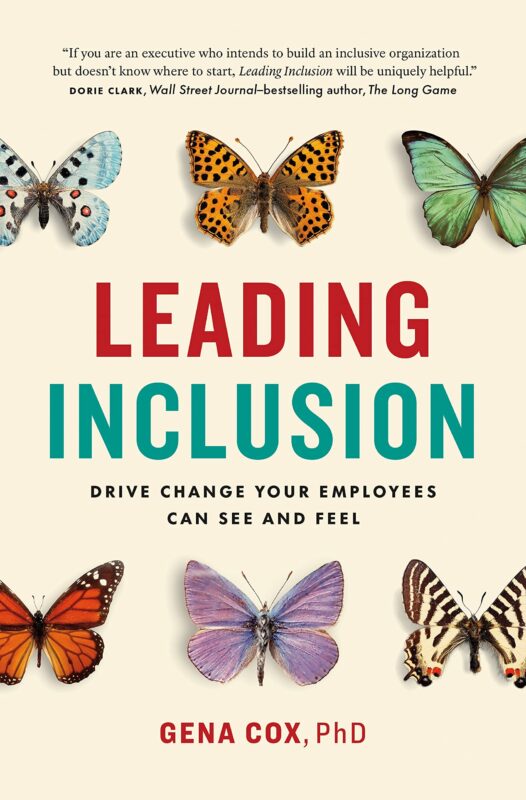
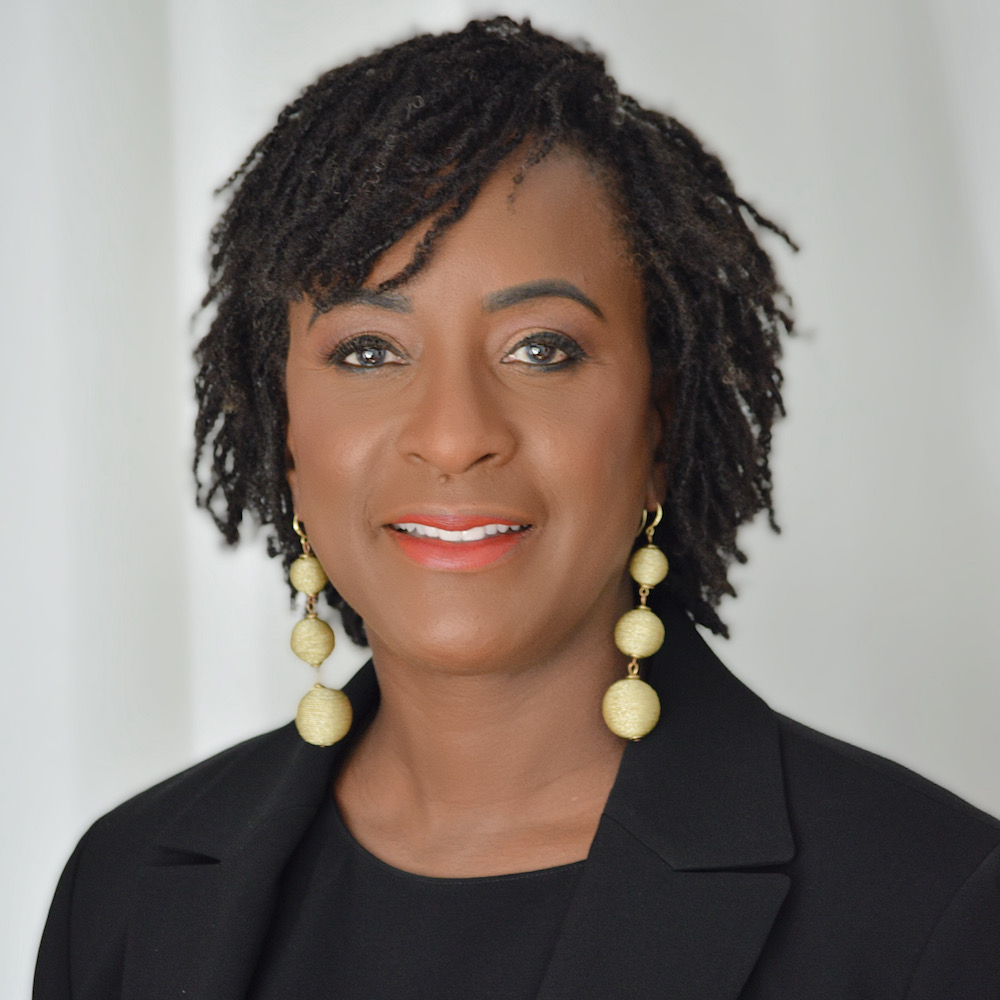
Gena Cox, Ph.D. discusses her new book that provides powerful insights for leaders to drive inclusion: “Leading Inclusion: Drive Change Your Employees Can See and Feel.” In this conversation, Gena stresses the value of human relationships, and how organizations have vast opportunities to optimize the human experiences for their employees. Gena reveals how a system that doesn’t embrace inclusion will lose employees who don’t feel included. Listen in for how curiosity can help your team feel even more connected.

Key Takeaways

[2:00] Dr. Cox tells how she is the luckiest person in the world. Her grandmother had a grade school education but was an entrepreneurial wizard. From watching her grandmother grow her neighborhood store, Gena learned the value of the human relationship in terms of getting things done. Gena’s secret is that much of what she talks about comes from observing her grandmother and her customers.

[2:56] When Dr. Cox was growing up, she wanted to be a journalist. She still sees journalists covering things around the world and imagines herself doing that. She supposes that journalists, like others, have a big “why” about how they can make the world better that lets them keep going.

[4:22] Dr. Cox has been trained not to make assertions without evidence to support the assertions. She had known for a long time about the importance of respect. But it wasn’t until the summer of 2020 when she interviewed leaders and surveyed employees about what they think leaders don’t understand about inclusion, black employees said they felt leaders were distancing themselves and avoiding them.

[5:54] When Dr. Cox did the content analysis to see the themes emerging from those comments, she came up with the word “respect.” These comments were all about things where people wanted to be seen, heard, and valued.

[7:07] It is important not to just think about these issues in the present, but to look centuries back. In our country, there are social dynamics that have existed for generations within a community where there are significant power imbalances. These imbalances correlate with race, ethnicity, and socioeconomics. Ignoring those factors can lead to misunderstanding the experience of employees from those places.

[8:21] Dr. Cox wrote one chapter about history at the beginning of her book. It makes a difference if leaders understand the broader context before they try to address specific initiatives or priorities in their organizations because they might miss the mark, otherwise.

[9:19] Dr. Cox works with leaders on inclusion and with individuals to think about how they can be the best that they desire to be. It takes two sides of this equation to tango to get the outcomes that we desire. Dr. Cox shares a case of a client feeling discriminated against in their career progress. Dr. Cox suggested they look for what they could do to get past the barrier and jump the hurdle.

[10:28] Dr. Cox offers three ideas that can help each of us make that difference for ourselves. 1. Have a big “why” for what kind of influence and impact you desire to have. 2. Have a track where you are working on custom master classes. Learn as much as you can that will help you get to your goal. 3. Amplify and brand yourself within our job. Dress and behave for the job you want.

[11:53] If your current job does not allow you to do all that, you might have to do it on a parallel track and keep it moving until you can use what you learn to move forward overall.

[14:06] Dr. Cox thinks there is a lot of misinterpretation and reinterpretation that takes place about leaders like Martin Luther King. Dr. Cox does not talk a lot about what specific people have said. Some people hearing a quote may miss the main idea. Inclusion tops diversity. It’s not just about getting more representation of a particular group. DE&I is really effective leadership of 100% of employees.

[16:38] Dr. Cox talks about effective leadership to create situations where every single person in a team, group, or organization feels that he or she can put in the appropriate efforts and get the expected outcomes. We all have to have a part in making that happen, especially managers.

[17:49] After George Floyd was killed, corporations started offering implicit bias training and hiring Chief Diversity Officers. Those two solutions are just tactics. They need to be added to a strategy that says “Here is what we are solving for.”

[18:34] The most important thing leaders can do to minimize the risk of doing things that are not effective is to start by talking to employees about what is their day-to-day experience. Then they will tell you what you should focus on first.

[19:20] Dr. Cox would like leaders to attach fewer restrictions to the research-based insights, such as the size of the survey group. The research is too new to be buttoned down. Dr. Cox points to the value of qualitative data or the stories that people tell in this area. These stories haven’t been told before so leaders don’t understand the solutions they should implement.

[21:28] Dr. Cox asked about three years ago in a LinkedIn article why, with regard to DE&I, organizations are not utilizing the same strategy and problem-solving techniques that they apply to every other problem. Because of the emotional component, including fear and anxiety, about the topic, leaders are failing to use the same kinds of judgment skills that they might have used for something else.

[22:22] What research have you done? Have you gone to a solution without research or understanding what’s going on so that your actions might work? Are you just throwing a dart at a board and hoping that something will stick? You would never do that if you were implementing a new initiative to support your customers or clients because you would know how high the risk would be.

[23:18] The number one topic on the minds of boards of directors and leaders today, apart from making money, is talent. Under talent is the shortage of talent.  Why is there a shortage of talent? People come up with a variety of explanations. The data Dr. Cox sees is that there is a significant portion of the workforce that feels alienated from their leaders and colleagues and dissatisfied.

[24:31] The latest research says that 50% of Black American employees say that they are thinking about or preparing themselves to leave their current job. There has been more data over the past couple of years because of the pandemic.

[24:55] Dr. Cox asks leaders to think about why there is so much dissatisfaction and whether it is true in their organization. If so, what are the elements in their organization that could be causing it? If not true, what could they learn about it? They’re about to have this problem. What can they do to make it better for employees?

[25:26] This leads to conversations about compensation, speaking up, well-being, mental health, and a variety of issues that should be at the tip of the spear.

[26:31] Rehumanizing the workplace means emphasizing the idea that effective leadership is a pie chart. There’s a piece for task performance and a piece for human performance. All the outcomes organizations are driving to achieve have a human component.

[28:23] Leaders are telling employees to “come back to the office and do it this way,” instead of considering alternative ways to work. There’s a significant gap between what employees desire and what the leaders at the top think employees desire. Rehumanizing the workplace means connecting with the employees.

[32:50] Dr. Cox doesn’t want to believe that with MBA programs costing hundreds of thousands of dollars, organizations aren’t focusing on the human experience. But she believes they are not focusing sufficiently on the human experience. The management of humans has not been balanced with task performance. Dr. Cox wants to do away with the term “soft skills” which are understood to be less than “hard skills.”

[34:40] In an HBR article, “5 Strategies to Infuse D&I into Your Organization,” Dr. Cox writes about mitigating implicit bias at the systemic level. It involves looking at data the organization has about existing patterns within the organization of selection, promotion, career mobility, and visibility of people who have a variety of characteristics.

[36:15] Leaders often think they are leading organizations where things are better than employees might imply that they are. Diversity is not just hiring diverse people. If new employees walk into situations where the environment is not ready for them or receptive to them, they are not going to stay. It’s important for you to figure out, “What does it feel like to work in my organization every day?”

[37:15] Leaders don’t know how their managers behave, day-to-day, or recognize how often those behaviors are having a damaging impact. They don’t put enough emphasis on setting expectations for manager behavior. Leaders need to ask, “Over the years that you have worked for this company, how often have you raised your hand to share an idea and been swatted down?” Optimize the talent you have!

[38:21] If you run an organization with customer-facing people, you want to know how the customer is being treated. You should also want to know what experience your employees are having when they’re interacting with your customers, and not assume that the customer is always right! Inclusion is understanding the day-to-day experience of all the employees that you currently have.

[40:09] Dr. Cox has spent at least 10 years measuring employee experience, advising leaders about how to use data coming out of employee surveys. Respect is a concept that everybody understands. Nobody seems to know what belonging means.

[40:49] Dr. Cox says leaders only need to ask three questions in a survey: Do you feel respected? What is it about your experience that makes you feel respected? Do you feel disrespected? What is it about your experience that makes you feel disrespected? What can we do to enhance your feelings of being respected? A three-question survey is as powerful as a long survey if you know what you’re measuring.

[42:25] Do not overcomplicate the issue. The only outcome that matters in this conversation is what are the experiences that employees are having and are they continuing to have good or bad experiences. What accounts for the variability between good and bad experiences, and what you can do as a leader, knowing and understanding that, to make these things a little more equitable and consistent?

[43:39] Dr. Cox speaks of potential clients who ask her to talk about something and when it gets to a point where it’s uncomfortable, they hadn’t planned for the discomfort, and then rather than move forward through the discomfort, they back away and don’t want to do the thing they should be doing. Dr. Cox is disappointed that some leaders haven’t thought through what they believe.

[44:34] On the plus side, while a lot of the things organizations are doing are destined not to have any impact when it comes to inclusion, more leaders are talking about these issues and are inching forward to a place where leaders can be engaged in trying to understand these issues rather than avoiding them. Dr. Cox is having these conversations more than ever before, even when some people are running away.

[48:01] Dr. Cox’s last thought: “I have a three Cs model. … Curiosity leads to Connection and that Curiosity and Connection are necessary in order to get to Comfort. Comfort, I think, is what we all seek.”

[49:03] Closing quote: Remember, “Everything that we see is a shadow cast by that which we do not see.” — Martin Luther King Jr.


The Leadership Podcast is sponsored by W.S. Darley & Company.  

Founded in 1908, Darley remains a family owned and operated business, providing the highest quality equipment solutions to our country’s warfighters and firefighters.  

Learn more at darley.com and darleydefense.com


Quotable Quotes

“While I call myself an organizational psychologist because that’s my formal training, the secret that most people don’t know is that a lot of the stuff that I talk about is stuff that I learned in the little … corner store just by… Share on X “When I was growing up, I wanted to be a journalist. I didn’t even think about psychology, And still to this day, when I see journalists covering all kinds of things around the world, I say, ‘Gosh, I could do that. I can do that.’” Share on X “Dr. King taught us that whether we are talking about race, gender, LGBTQ+, ethnicity, neurodiversity, or other ways that humans naturally vary, we can’t sit idly by and wait for others to provide the inclusion we seek. Each of us… Share on X “I talk about effective leadership to create situations where every single person … in an organization, feels that he or she, when they show up, have a chance to be able to put in the effort that is appropriate and get the same… Share on X “Something about the emotion of this issue is causing people to fail to use problem-solving skills that they actually already possess.” Share on X “Are you optimizing the talent that you already have? Most people will say, when I ask ‘What is missing here about why I don’t feel included?’, it tends to fall into the category that ‘I’m not seen, heard, or valued.’” Share on X “By inclusion, I simply mean understanding the day-to-day experience of all the employees that you currently have.” Share on X “I remain eternally optimistic about all of this because of Gen Z and their willingness to speak for us, for everybody, about what that good human experience feels like.” Share on X
Gena Cox

These are the books mentioned in our discussion with Gena

Leading Inclusion: Drive Change Your Employees Can See and Feel

Buy This Book Online
Buy from Amazon
Leading Inclusion: Drive Change Your Employees Can See and Feel
Buy now!
Leading Inclusion: Drive Change Your Employees Can See and Feel

Resources Mentioned

  • Theleadershippodcast.com
  • Sponsored by: Darley.com
  • Rafti Advisors. LLC
  • Self-Reliant Leadership. LLC
  • Gena Cox
  • Gena Cox on LinkedIn
  • Dr. Martin Luther King Jr.
  • “5 Strategies to infuse D&I into Your Organization,” HBR

Filed Under: Podcast Tagged With: diversity, Inclusion, leadership

TLP352: A World Where Change is Fun
TLP354: Imposter Syndrome Affects The Best

Related Posts

  • TLP246: Thriving Despite Unsettledness & Dysfunction
  • TLP323: Make a Bigger Impact by Saying Less
  • TLP053: Special Forces Resourcefulness Parallels the Spirit of American Entrepreneurism
  • TLP063: Rudy’s Perspective On Supporters and Detractors
  • TLP316: We Need to Talk – 24 Simple Insights for Relationships
iTunes
Spotify
Audible
SoundCloud
iHeartRADIO

Instagram Feed

westudyleaders

#leadership #leadershiptraining #leader #westudyleaders

Karen Doll has assessed hundreds of executives. An Karen Doll has assessed hundreds of executives. And the same two patterns keep ending careers early.Not lack of skill. Not lack of drive.Defensiveness. And a victim mindset.The first one she will not even give feedback on directly. Because the moment you tell someone they are defensive they prove your point.These are not just hiring red flags. They show up in how people lead every single day.Full episode with Karen is up now. https://bit.ly/TLP-YT-514?utm_campaign=coschedule&utm_source=instagram&utm_medium=westudyleaders#leadershippodcast #leadership #leadershipdevelopment #executivecoaching #accountability #podcast #mentalhealth #psychologicalfitness
Kevin Rice was leading a growing company, adding o Kevin Rice was leading a growing company, adding over 100 people, navigating an acquisition, raising two boys alone, all during a pandemic.His coping mechanism was to shut everything off. No emotions. No processing. Just output.From the outside it looked like peak performance.His team and his kids were getting a version of him that was present in body but absent everywhere that mattered.That is the version of leadership nobody talks about enough.Episode 512 of The Leadership Podcast is a good place to start that conversation. Go find it. https://bit.ly/TLP-512?utm_campaign=coschedule&utm_source=instagram&utm_medium=westudyleaders#leadership #leadershipdevelopment #emotionalintelligence #theleadershippodcast #executiveleadership #CEOmindset #personalgrowth #parenting #entrepreneur #selfawareness
Most people compare socialism's ideals to capitali Most people compare socialism's ideals to capitalism's reality. That's not a fair fight.Dr. Bill Kline shared something that sticks. When you live inside a system, you see every flaw. Every crack. Every problem.But the system you've never experienced? That one still looks perfect.That gap shapes how people think, argue, and lead.This is a conversation worth having. https://bit.ly/TLP-509?utm_campaign=coschedule&utm_source=instagram&utm_medium=westudyleadersIf this landed, go listen to the full conversation. https://bit.ly/TLP-YT-509?utm_campaign=coschedule&utm_source=instagram&utm_medium=westudyleaders#capitalism #leadership #businessethics #freemarkets #leadershipdevelopment #tlp509
We spend so much time coaching the person at the t We spend so much time coaching the person at the top and zero time asking the people around them if anything actually changed. Will Linssen has data on 100,000 leaders that proves exactly why that doesn't work.Full conversation on TLP505. https://bit.ly/TLP-505?utm_campaign=coschedule&utm_source=instagram&utm_medium=westudyleaders#leadership #leadershipcoaching #leadershipdevelopment #westudyleaders #theleadershippodcast #executivecoaching #coaching
As a leader, how you respond to disruption sets th As a leader, how you respond to disruption sets the tone for everyone around you. Your team is watching whether you treat change like a threat or an opening. Patrick Leddin puts a name to both responses and explains why the most disruptive thing you can sometimes do is refuse to follow the crowd. There's a lot more where this came from. Go watch the full episode. https://bit.ly/TLP-YT-507?utm_campaign=coschedule&utm_source=instagram&utm_medium=westudyleaders#leadership #disruption #leadershipdevelopment #westudyleaders #disrupteverything #leadershipcoach #changeleadership #growthmindset #leadershippodcast #shorts
Most leaders only pay attention when disruption is Most leaders only pay attention when disruption is loud. But the ones that shape your team's direction the most are often the quiet ones you almost missed. Patrick Leddin redefines what disruption actually looks like in everyday leadership and once you hear it this way, you'll start seeing it everywhere. This is just one piece of a conversation that goes much deeper. Episode 507 is waiting for you. https://bit.ly/TLP-YT-507?utm_campaign=coschedule&utm_source=instagram&utm_medium=westudyleaders#leadership #disruption #leadershipdevelopment #westudyleaders #disrupteverything #changeleadership #leadershipcoach #leadershippodcast #mindset #shorts
Most leaders can scale. Almost none can scale with Most leaders can scale. Almost none can scale without breaking what they built.Joth Ricci—CEO of LYBL, founder of Rafti Advisors, former CEO of Dutch Brothers—scaled Dutch Bros from 27 to 92 locations in three years without losing culture. In this episode, Joth talks about what actually breaks first when you grow fast, how to keep people's systems moving with your growth, and why discipline matters more than ambition.Watch now: https://bit.ly/TLP-YT-516?utm_campaign=coschedule&utm_source=instagram&utm_medium=westudyleadersListen now! https://bit.ly/TLP-516?utm_campaign=coschedule&utm_source=instagram&utm_medium=westudyleaders#leadership #leadershipdevelopment #scaling #businessgrowth #dutchbros #organizationalculture #executiveleadership #westudyleaders
Debate isn't about winning. It's about thinking cl Debate isn't about winning. It's about thinking clearly when it matters.Meet Murshad Chowdhury: founder of Tech Duels, LogiCoach AI, and the Veterans Technology Conference. He's spent years teaching brilliant people how to actually communicate.In this episode, you'll discover:Why structured debate builds communication skills faster than traditional trainingHow competition strengthens your ability to listen (not just talk)Why the future belongs to people who combine tech with human judgmentThe communication gap costing talented professionals their careersNew episode drops now. https://bit.ly/TLP-YT-515?utm_campaign=coschedule&utm_source=instagram&utm_medium=westudyleadersListen here - https://bit.ly/TLP-515?utm_campaign=coschedule&utm_source=instagram&utm_medium=westudyleaders#leadershipdevelopment #communicationskills #debateskills #executivepresence #theleadershippodcast #criticalthinkingg #techleadership #aiandhumanskills
She was the number one manager in a 4000 branch ne She was the number one manager in a 4000 branch network. Three years running. And she had better offers on the table. She stayed for one reason her leader almost said no to. This story from Mark Crowley is a gut check for every leader who thinks compensation is the whole game.Full episode on The Leadership Podcast now. https://bit.ly/TLP-YT-504?utm_campaign=coschedule&utm_source=instagram&utm_medium=westudyleaders#leadership #employeeretention #markcrowley #leadfromtheheart #westudyleaders #theleadershippodcast #leadershiplessons #workplacebelonging #peopleleadership #teamculture
Murshad Chowdhury just exposed what most leaders g Murshad Chowdhury just exposed what most leaders get wrong.They think communication is about being heard.It's actually about hearing.The biggest conflicts in teams? Someone didn't listen to what the other person meant to say.Not what they said. What they meant.That's the gap that costs leaders their credibility.Watch how to master this: https://bit.ly/TLP-515?utm_campaign=coschedule&utm_source=instagram&utm_medium=westudyleaders#communicationskills #leadershipdevelopment #listeningskills #theleadershippodcast #executiveleadership #teambuidling #leadershiplessons #conflictresolution
Most leaders frame failure as the opposite of winn Most leaders frame failure as the opposite of winning. Matt Cavanaugh says that framing is the whole problem.Win, learn, or die. No other outcomes exist. And that one shift changes how you look at every setback you've been carrying around.The leader who avoids failure avoids judgment.You'll want to hear him say this in his own words. https://bit.ly/tlpyt508?utm_campaign=coschedule&utm_source=instagram&utm_medium=westudyleaders#leadership #failure #growthmindset #militaryleadership #leadershipdevelopment #mattcavanaugh #bestscarwins #theleadershippodcast #mindset #resilience
TLP508: Your Scars Are Your Resume Our latest epi TLP508: Your Scars Are Your Resume Our latest episode with Matt Cavanaugh https://bit.ly/TLP-508?utm_campaign=coschedule&utm_source=instagram&utm_medium=westudyleaders&utm_content=TLP508%3A%20Your%20Scars%20Are%20Your%20Resume #leadership #failure #resilience #personalgrowth #militaryleadership #army #leadershipdevelopment #scars #overcomingsetbacks #growthmindset #selfimprovement #missiondriven #leadershiplessons #mattcavanaugh #bestscarwins #retiredmilitary #learnfromfailure #purposedriven #leadershippodcast #servantleadership #judgment #emotionalgrowth #leadershiptips #mindset #growthjourney
Matt Cavanaugh wasn't running 620 miles through ex Matt Cavanaugh wasn't running 620 miles through extreme deserts for himself.He was running to prove that life after kidney donation is full. That someone watching from Montana might decide to climb onto a transplant table themselves. That his daughters would see their dad do something everyone told him was impossible.And in the middle of a sandstorm in the Atacama Desert, beat up and eating chili pistachios because he was too tired to cook, he got a message from a stranger named Bryce in Montana saying he signed up to donate.That's what a real mission looks like.This one's worth blocking out time for. https://bit.ly/TLP-508?utm_campaign=coschedule&utm_source=instagram&utm_medium=westudyleaders#leadership #missiondriven #purposedriven #militaryleadership #leadershipdevelopment #theleadershippodcast #mattcavanaugh #bestscarwins #servantleadership #selfimprovement
Most people only recognize disruption when it's ma Most people only recognize disruption when it's massive. Patrick Leddin says the small ones matter just as much. A hallway conversation. A bad performance review. An unexpected no. All of it counts. All of it is an opening if you're willing to look at it that way.This one is worth your commute. Episode 507 is out now. https://bit.ly/TLP-507?utm_campaign=coschedule&utm_source=instagram&utm_medium=westudyleaders#leadership #disruption #leadershippodcast #leadershipdevelopment #westudyleaders #disrupteverything #mindset #leadershipcoach #growthmindset
Most leaders think the problem at home is time. K Most leaders think the problem at home is time.Kevin Rice thought the same, until he realized he was physically present every night and still completely absent.Bedtime. Stories. Routines. All of it while mentally rehearsing the next sales meeting.He was not managing time poorly. He was losing connection without even knowing it.Hear the full conversation on episode 512 of The Leadership Podcast. https://bit.ly/TLP-YT-512?utm_campaign=coschedule&utm_source=instagram&utm_medium=westudyleaders#leadership #parenting #presence #connection #theleadershippodcast #CEOmindset #worklifebalance #leadershiplessons #entrepreneur #mindfulleadership
The leadership model most of us inherited was neve The leadership model most of us inherited was never designed for the world we are leading in now. Maria Brinck joins The Leadership Podcast to talk about what needs to change, who gets left out when it does not, and why this conversation is overdue. You will want to hear this one. Episode 510 is out now and it is one you will want to hear from start to finish. https://bit.ly/TLP-510?utm_campaign=coschedule&utm_source=instagram&utm_medium=westudyleadersHead to The Leadership Podcast and give it a listen. https://bit.ly/TLP-YT-510?utm_campaign=coschedule&utm_source=instagram&utm_medium=westudyleaders#TheLeadershipPodcast #Leadership #LeadershipDevelopment #Purpose #Podcast
We’re thrilled to announce that The Leadership Pod We’re thrilled to announce that The Leadership Podcast is #2 in the Top 100 Sales Weekly chart and ranked in the top 10 in multiple Goodpods categories! Thank you for listening and supporting us! #LeadershipPodcast #PodcastRankings #Sales #Goodpods
Every leader who has ever complained about people Every leader who has ever complained about people leaving should sit with that for a minute. It is not a generational problem. It is not an attitude problem. When you stop offering growth, you stop offering a reason to stay. The ones who left probably told you that on the way out. Most organizations just were not listening. The full conversation with Steve Cadigan on Episode 506 of The Leadership Podcast is worth your commute. https://bit.ly/TLP-506?utm_campaign=coschedule&utm_source=instagram&utm_medium=westudyleaders#Leadership #TalentStrategy #TheLeadershipPodcast #FutureOfWork #SteveCadigan
Think back to the biggest leap you ever took in yo Think back to the biggest leap you ever took in your career. Chances are someone pushed you into a role before you felt ready, and it turned out to be the moment that defined everything. The hiring system today is almost perfectly built to prevent that from happening. We screen for experience. We pass on talent. And then wonder why the best people aren't showing up. The full conversation goes even deeper on how to redesign work so you stop losing people at the worst possible moment. https://bit.ly/TLP-YT-506?utm_campaign=coschedule&utm_source=instagram&utm_medium=westudyleaders#Leadership #CareerDevelopment #TheLeadershipPodcast #SteveCadigan #TalentStrategy #Coaching #HiringStrategy
Your leadership team is waiting for you to solve e Your leadership team is waiting for you to solve everything.Jim Brown watched this pattern destroy ownership.A woman entrepreneur realized her team had stopped thinking. Everyone just looked to her for answers.So she tried something simple. Stop answering questions. Start asking them."What do you think we should do?"That one behavior change made her meetings louder. More ownership. Shared responsibility.If you're carrying the weight of all decisions, your team isn't really yours—they're dependent on you.See the full conversation on episode 517. https://bit.ly/TLP-YT-517?utm_campaign=coschedule&utm_source=instagram&utm_medium=westudyleaders#leadershipaccountability #teamownership #leadershipbehavior #organizationalhealth #leadershipdevelopment #theleadershippodcast #jimbrownorghealth #leadershipinsight
Follow on Instagram

Recent Posts

  • TLP517: The Accountability Gap: Why Leaders Misjudge Their Own Impact with Jim Brown
  • TLP516: The Leader as Teacher: Building Leaders, Scaling Companies, and Multiplying Impact with Joth Ricci
  • TLP515: Why Structured Debate Is a Leadership Superpower
  • TLP514: What High-Performing Leaders Get Wrong About Stress with Karen Doll
  • TLP513: The Leadership Cost of Isolation with Nick Black

Recent Comments

  • Anonymous on TLP513: The Leadership Cost of Isolation with Nick Black
  • Anonymous on TLP511: What 500 Top Leaders Taught Us — And Why It’s Not What You Think
  • Anonymous on TLP508: Your Scars Are Your Resume
  • Anonymous on TLP505: Why Leadership Coaching So Often Fails
  • Anonymous on TLP504: Why Your Team Is Still Disengaged

Tags

adaptability assumptions athletics business change coaching communication corporate crucible culture Curiosity decision making education emotional intelligence entrepreneur financial history humor innovation interview Jan Rutherford Jim & Jan Jim Vaselopulos leader leadership leadership development Leadership Podcast military neuroscience Patagonia Personal Growth philosophy practitioner productivity relationships resilience speaker sports stories team development teamwork thought leader trust veterans workplace culture

Copyright © 2026 Rafti Advisors, LLC & Self-Reliant Leadership, LLC - All Rights Reserved. | Privacy Policy