• Home
  • Episodes
  • Books for Leaders
  • About Us
    • Our Team
    • Contact Us
  • Our Sponsors
  • Blog
  • Our Newsletter
The Leadership Podcast

The Leadership Podcast

We Study Leaders

June 29, 2022

TLP313: Leading in Uncharted Waters

https://traffic.libsyn.com/secure/theleadershippodcast/TLP_313.mp3
Play in New Window Download

Sandra Stosz is the author of “Breaking Ice and Breaking Glass: Leading in Uncharted Waters.” Sandra is a retired U.S. Coast Guard Vice Admiral who served for over 40 years, including 12 years at sea. She often led all-male teams and was the first woman to lead a U.S. Armed Forces Service Academy. In this episode, Sandra shares with humility some of the leadership lessons she learned in the Coast Guard. She shares humorous stories, and reveals things she learned early that shaped her remarkable career, and why she baked cakes for her staff!

https://bit.ly/TLP-313

Key Takeaways

[1:36] Jim introduces Vice Admiral Sandra Stosz, Retired, tells of her background, and welcomes her to The Leadership Podcast.

[2:08] Sandra’s nephew Hunter Stosz is a Lieutenant in the Coast Guard, serving as the Combat Systems Officer on the Coast Guard National Security Cutter JAMES out of Charleston, S.C. Hunter was a cadet at the Coast Guard Academy when Sandra was the Superintendent. That was his leadership crucible!

[3:01] Sandra’s hobby is baking cakes! She would bring them into the office and give people a break to stop what they were doing and gather in the conference room to talk and laugh.

[4:35] Sandra talks about the Coast Guard Academy, where she was Superintendent from 2011 to ’15, and the Loy Institute for Leadership. She retired from the Coast Guard in 2018 but she is a trustee of the Loy Institute for Leadership, which is the Academy’s agent for leadership development.

[6:16] The Coast Guard Academy, like all the service academies, is a 200-week program, meaning four full years of school. A lot of the Academy’s leadership development happens during the summer. Training is given through a framework called LEAD: Learn from theory, Experience through practice, Analyze using reflection, and Deepen understanding from mentoring.

[7:09] It’s a virtuous cycle of leader development. It starts with cadets learning in a classroom from Posner and Kouzes’s Leadership Challenge for leadership theory. Then they put the cadets on the water for experiential leadership development through seamanship in sailing programs, and small boat practice, all on the water. The more senior cadets use a practicum that tells them how to instruct.

[8:19] After a day on the water, the cadets analyze through reflection. They sit down and “hotwash” what happened; what they want to repeat next time, what they want to avoid next time, and what they learned. Then the cadets deepen their understanding through mentoring. Everybody who learns continues to mentor somebody else, making it a virtuous cycle.

[8:48] Sandra shares a story of leadership learning. The cadets sailing a ship tacked suddenly without warning the cook in the galley, the only female cadet on board. Hotdogs flew all over the deck and what seemed funny to the cadets on deck upset the cook who felt laughed at and disrespected. Leadership also means inclusion and respect.

[11:18] You can learn to lead through practical experience. The Coast Guard Academy collects data from performance reviews to measure leadership development over the four-year program. It’s hard to measure leadership development over four years but they are on a mission to do that and they are getting closer every month.

[12:15] The Coast Guard Academy LEAD framework is built upon the Coast Guard framework of leading self, leading others, and leading the organization. Cadets learn to lead themselves and lead others. They do not advance to leading the organization at the Academy. Sandra tells a story of a cadet who carelessly filled the fuel tank with water. He will never do that again, having learned by experience.

[15:12] Officers in the Coast Guard learn to lead the organization, which is strategic. Sandra has seen senior leaders fall short and fail when they did not mature from tactical thinking to strategic thinking. Strategy is looking over the horizon to anticipate threats that might come over that horizon, and then adjust, adapt, and be agile.

[16:15] At the organizational level, you face crises where the easy decisions and actions have been made at the lower levels; if it ends up in your hands, it is a big decision. You’ve got to be strategic and decisive. A lot of people aren’t strategic or are not decisive. They haven’t learned how to move from leading others to making decisions that affect the organization and how the organization relates to others.

[17:59] Jim highly recommends Sandra’s book. It addresses the balance between power and control. Sandra speaks of the responsibility of the individual and the team to find ways to power through crisis and adversity. There is leadership at all levels. It’s not just about the top boss. Sandra mentions Extreme Ownership.

[19:50] It is popular now to blame others for everything wrong so you don’t have to own up to it. Sandra was thinking about that when she wrote her book. She was grateful when someone gave her a Serenity Prayer plaque at a difficult point in her career. She was trying to control everything and having trouble letting go of things she couldn’t control. She carried that prayer to every duty station.

[20:50] The balance between control and power reminds Sandra of Aristotle’s Golden Mean, which is the balance between extremes. The most powerful thing you can do is release your control and give your power away. Giving power away empowers others. You don’t lose anything by giving power away. You gain the respect and trust of those you empower.

[22:12] Control originates from humility and power originates from hubris. Sandra explains why humility is hard to maintain as you advance in rank. The more senior she became, she tried hard to build trust and earn respect and not use her position of power.

[23:59] Sandra shares a story on the paradox of control about giving away power. Her Captain gave his power to her, a young lieutenant, to give an important brief to a Commandant of the Coast Guard. She had never given a speech before! For the rest of her career, she worked to give her power away to younger officers.

[27:26] Jan cites an Arthur Brooks article, “Being special vs. happy: What success addiction looks like and how to recover,” that discusses motivation and happiness. What would Sandra’s advice be to her 27-year-old self? She would tell her younger self that prevention comes before response and remember the importance of establishing boundaries.

[31:41] The four types of exhaustion or wellness are physical, emotional, mental, and spiritual. Don’t allow yourself to be exhausted in all four of these areas at the same time! You can manage your wellness with a structure of boundaries built on a foundation of values. If you can’t manage your wellness, you can’t manage your team’s wellness.

[36:15] One of the chapters of Sandra’s book is “There’s no secret ingredient.” — Kung Fu Panda. Sandra sees 10 leadership lessons in Kung Fu Panda and Kung Fu Panda 2.
[37:26] Sandra shares a foundational story from serving on her first ship, an icebreaker sailing to Antarctica. She learned the Three Ps of Power: Personal, Professional, and Positional. Lean on the first two and go to the third only as a last resort. Your personal power is your EQ. Your professional power is your work ethic and values. Your positional power is your rank or leadership role.

[39:44] Use your personal and professional power every day and you will build trust and earn respect. People will want to do their jobs because they feel like they’re part of something bigger than themselves, they feel shared values, they know their purpose, they have pride and passion, and they want to end each day deeply content, satisfied, and feeling good about themselves, their work, and life.

[41:12] Leadership is not all in a textbook. It’s hard to learn it and hard to teach it. If you’re trying to understand leadership and finding it not easy, your symptoms are normal. Jan shares a message with new listeners. Jan and Jim use the tagline, “We study leaders.” After interviewing 300 leaders, we’re still learning. It will be our lifelong pursuit.

[43:02] Sandra’s advice for people in transition from one chapter of their life to the next: Watch out for becoming part of another “me” generation. The people who will be happiest, in the long run, will be are going to look at how they can contribute as part of a bigger purpose with values that they share. They’re going to persevere. They’re going to put in more than they take out. They’re going to be contributors.

[45:20] Sandra’s last words are about life-long learning. She stayed for 40 years in the Coast Guard because it gave her opportunities to train, advance, and go to the Kellogg Business School, the National War College, and a Capstone program. She continues to read and develop herself. Life-long learning is key to your ability to succeed in a meaningful way.

[47:06] Jan closes with a quote from Amelia Earhardt on the decision to act.


The Leadership Podcast is sponsored by W.S. Darley & Company.  

Founded in 1908, Darley remains a family owned and operated business, providing the highest quality equipment solutions to our country’s warfighters and firefighters.  

Learn more at darley.com and darleydefense.com


Quotable Quotes

“Every once in a while, you need a reason to laugh when you’re at work and you’re in a really tough job. I think the cakes helped build that camaraderie and that’s one thing I like about in-person workplaces.” Share on X “We expect the cadets to make a mistake when they’re learning how to lead themselves. It’s trial and error. And this is the time when we give them leeway to fail and pick themselves up, and make mistakes, admit them, and try not to… Share on X “I’ve seen senior leaders fall short and even fail if they keep on with the behaviors that made them successful while leading self and leading others and they move into leading the organization but don’t mature to strategic… Share on X “Be strategic and be decisive. A lot of times, people … haven’t learned how to move from leading others to making decisions that affect an organization, … the programs, and how that organization relates to others. … Move up into… Share on X “Type “A”s out there, hear me! You want to control everything and it can drive you crazy. And if you don't let it go it will burn you out.” Share on X “The most powerful thing you can do is to release your control and release your power and give your power away.” Share on X “The best leaders cultivate their humility, which is really hard to do as you advance up in the ranks. Whether it’s the military or if it’s a private sector, or public non-profit, the more senior you get, people are treating you a… Share on X “What you should be seeking is deep contentment and satisfaction. That comes with a different way of looking at life. It comes from balancing and this becomes the response.” Share on X “People never make good choices; they always have to learn from experience, right?” Share on X “So many people are in the leadership space and trying to teach leadership and it’s not easy. … If you are trying to understand leadership, how to be a better leader, and finding it not easy, your symptoms are normal.” Share on X “The people who are going to be happiest, in the long run, … look to find out how they can contribute as part of a bigger purpose with values that they share. … They’re going to persevere. They’re going to put in more than they take… Share on X “Lifelong learning is key to your ability to succeed in a meaningful way where you’re meeting all of your objectives and you’re staying motivated. Otherwise, you lose the meaning of life if you don’t continue to focus on life-long… Share on X
Sandra Stosz

These are the books mentioned in our discussion with Sandra

Breaking Ice and Breaking Glass: Leading in Uncharted Waters

Buy This Book Online
Buy from Amazon
Breaking Ice and Breaking Glass: Leading in Uncharted Waters
Buy now!
Breaking Ice and Breaking Glass: Leading in Uncharted Waters

The Leadership Challenge: How to Make Extraordinary Things Happen in Organization

Buy This Book Online
Buy from Amazon
The Leadership Challenge: How to Make Extraordinary Things Happen in Organization
Buy now!
The Leadership Challenge: How to Make Extraordinary Things Happen in Organization

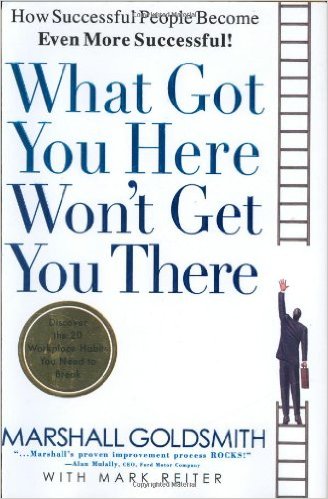
What Got You Here Won’t Get You There: A Round Table Comic: How Successful People Become Even More Successful

Buy This Book Online
Buy from Amazon
What Got You Here Won’t Get You There: A Round Table Comic: How Successful People Become Even More Successful
Buy now!
What Got You Here Won’t Get You There: A Round Table Comic: How Successful People Become Even More Successful

Extreme Ownership

Buy This Book Online
Buy from Amazon
Extreme Ownership
Buy now!
Extreme Ownership

Boundaries: When to Say Yes, When to Say No-To Take Control of Your Life

Buy This Book Online
Buy from Amazon
Boundaries: When to Say Yes, When to Say No-To Take Control of Your Life
Buy now!
Boundaries: When to Say Yes, When to Say No-To Take Control of Your Life

Resources Mentioned

  • Theleadershippodcast.com
  • Sponsored by: Darley.com
  • Vice Admiral Sandra L. Stosz
  • U.S. Coast Guard
  • U.S. Coast Guard Academy
  • The U.S. Coast Guard National Security Cutter JAMES
  • Loy Institute for Leadership
  • Admiral James Loy
  • Congressman Dan Crenshaw
  • Kellogg School of Management
  • National War College
  • Coast Guard Capstone program
  • Amelia Earhart
  • James Mattis
  • Aristotle
  • Arthur Brooks, “Being special vs. happy: What success addiction looks like and how to recover”
  • 9/11
  • Bill Murray, “Army Training, Sir”
  • Kung Fu Panda
  • Kung Fu Panda 2
  • Senator Blutarsky
  • Great Resignation

Filed Under: Podcast

TLP312: What Hasn’t Changed About Leadershi...
TLP314: How Posture & Nonverbal Behaviors Com...

Related Posts

  • TLP519: The Leadership Idea We Missed for 250 Years
  • TLP139: Set Pride Aside
  • TLP127: Approaching Talent Acquisition Like a War for Talent is All Wrong
  • TLP511: What 500 Top Leaders Taught Us — And Why It’s Not What You Think
  • TLP085: Character, Coffee & Destiny
iTunes
Spotify
Audible
SoundCloud
iHeartRADIO

Instagram Feed

westudyleaders

#leadership #leadershiptraining #leader #westudyleaders

Here's a framework worth borrowing from David Crai Here's a framework worth borrowing from David Craig, former CEO of Refinitiv.Meeting overload isn't the actual problem. It's a symptom of unclear ownership.When it isn't obvious who owns a decision or a budget, people default to scheduling a meeting to sort it out. David solved this at Refinitiv by documenting exactly who owns what, a reference guide his team nicknamed the Blue Book.He also questioned a habit most companies never examine: why every meeting defaults to 60 minutes. His team ran 25-minute meetings instead, built around what the meeting actually needed.Two practical ideas any leader can apply this week.Full conversation is live now https://bit.ly/TLP-YT-525?utm_campaign=coschedule&utm_source=instagram&utm_medium=westudyleaders#leadership #davidcraig #meetingculture #businessefficiency #leadershippodcast #organizationalculture #executiveleadership #productivitytips
Perfectionism doesn't make leaders bolder. It make Perfectionism doesn't make leaders bolder. It makes them slower.Kim learned this from a CEO who taught her the 80/20 rule — enough data to decide, then move. The last 20% almost never changes the outcome.If you're stuck waiting for certainty, this is your permission to go. https://bit.ly/TLP-522?utm_campaign=coschedule&utm_source=instagram&utm_medium=westudyleaders#boldleadership #kimsvoboda #decisionmaking #executivecoaching #leadershipmindset #intentionalleadership #leadershippodcast #decisiveleadership
Strong conviction can help a leader make bold deci Strong conviction can help a leader make bold decisions. But conviction can also make it harder to recognize when an idea needs to change.Ron Johnson reflects on his experience at J.C. Penney and acknowledges that he held too tightly to his original vision.Leadership isn't about being right every time. It also requires the humility to recognize when you were wrong and learn from it.#Leadership #LeadershipDevelopment #LeadershipLessons #LeadershipMindset #DecisionMaking #HumilityInLeadership #TheLeadershipPodcast
When Hurricane Helene destroyed David Gray's facil When Hurricane Helene destroyed David Gray's facilities, he didn't panic.He built a playbook.Step one: Know if your people are safe and what they need. Step two: Assess your operations for damage or compromise. Step three: Communicate with customers about impact and timeline. Step four: Keep everyone informed of progress, even if you don't have all the answers yet.David learned that people don't need you to be perfect. They need you to be clear and consistent.Listen to the full episode for his complete crisis leadership framework. https://bit.ly/TLP-YT-520?utm_campaign=coschedule&utm_source=instagram&utm_medium=westudyleaders#crisisleadership #leadership #leadershiplessons #teamculture #management #podcast #davidgray #theleadershippodcast
A leader's mindset doesn't always stay with the le A leader's mindset doesn't always stay with the leader.David Robson explains how negative expectations can spread through an organization. When leaders signal that they don't have much faith in someone's capability, that person can begin to internalize the message. Anxiety rises. Confidence falls. And the mental space that should be used for creativity and problem-solving gets consumed by doubt.Sometimes leadership isn't about what you say to someone.It's about what your behavior tells them you believe they are capable of.#leadership #leadershipdevelopment #leadershippsychology #teamculture #employeeengagement #selfefficacy #davidrobson #leadershippodcast
Leadership can become too focused on the person at Leadership can become too focused on the person at the top.But the real measure of leadership is what happens to the people being led.As Geoffrey Cain explains, leadership isn't only about the leader's vision or ambition. It's about the people, the environment, and the conditions that allow others to do their best work.#Leadership #LeadershipDevelopment #LeadershipLessons #LeadershipMindset #TheLeadershipPodcast
Ever wonder why founders can't step away? Patrick Ever wonder why founders can't step away?Patrick Emmons has an answer.He built and sold three companies, and the pattern was always the same.Businesses fail to scale when there's no bench.No corporals, no sergeants, just one general running to the front.Watch the full episode to hear Patrick break down what leadership at every level actually looks like. https://bit.ly/TLP-YT-524?utm_campaign=coschedule&utm_source=instagram&utm_medium=westudyleaders#leadership #leadershipdevelopment #entrepreneurship #teambuilding #scalingbusiness #executiveleadership #businessgrowth #patrickemmons
Hitting a wall doesn't always mean you have failed Hitting a wall doesn't always mean you have failed.Sometimes it tells you something about the limits of your current approach. The question is what you do next. Reconsider the vision, the people around you, the resources, or the path itself.Sometimes the wall is information.#Leadership #LeadershipMindset #LeadershipLessons #Adversity #Failure #DecisionMaking #TheLeadershipPodcast
Most leaders delay hard conversations. They hope t Most leaders delay hard conversations.They hope the problem fixes itself.Patrick Emmons says that hope is the mistake.Waiting doesn't soften the issue, it just adds interest.Listen to the full episode for Patrick's approach to difficult conversations. https://bit.ly/TLP-524?utm_campaign=coschedule&utm_source=instagram&utm_medium=westudyleaders#leadership #difficultconversations #executivecoaching #leadershipdevelopment #directcommunication #teamculture #accountability #patrickemmons
What happens when a leader stops trying to convinc What happens when a leader stops trying to convince people and starts listening to them?George Couros, author of The Innovator's Mindset and Forward, Together, joins The Leadership Podcast to discuss what it takes to bring people along through change.The conversation explores the value of listening to skeptics, making room for disagreement, and building enough trust for people to challenge ideas. When people have a hand in shaping a solution, they have a reason to take ownership of it.Leadership isn't just about getting people to follow your vision. It's also about creating the conditions for them to shape it.🎧 Listen to the conversation with George Couros. Link in the first comment.#TheLeadershipPodcast #Leadership #GeorgeCouros #LeadershipDevelopment
Most leaders say they prioritize people. David Gra Most leaders say they prioritize people. David Gray actually does it—and it's made all the difference.David Gray, CEO of Fed Up Foods, has doubled his team, scaled to become the largest functional beverage supplier to major retailers, and navigated Hurricane Helene without compromising his mission.In this episode, he shares the four-point crisis playbook he used when infrastructure failed, why connection must come before accountability, and what he learned about empathetic leadership.Listen now. https://bit.ly/TLP-520?utm_campaign=coschedule&utm_source=instagram&utm_medium=westudyleadersWatch it here https://bit.ly/TLP-YT-520?utm_campaign=coschedule&utm_source=instagram&utm_medium=westudyleaders#leadershipdevelopment #crisisleadership #valuesdriven #empathyatwork #culturebuilding #westudyleaders #theleadershippodcast #missiondriven #davidgray #fedupfoods
Clarity is part of a leader's responsibility. Mat Clarity is part of a leader's responsibility.Matt Edelman makes the point that expectations cannot remain in a leader's head. People need to understand what is required of them and leaders need to ensure those expectations are understood throughout the team.Without that clarity, people are left to guess what success looks like. Accountability becomes harder, too, when the standard was never made clear in the first place.Trust and compassion matter, but neither removes the need for clear expectations.#Leadership #LeadershipDevelopment #TeamLeadership #TheLeadershipPodcast
Most people treat networking like a numbers game. Most people treat networking like a numbers game.Donnie Boivin treats it like a business model.The shift from collecting contacts to building other people's success is what actually opens doors.Hear how he built an entire company around it in this week's episode. https://bit.ly/TLP-521?utm_campaign=coschedule&utm_source=instagram&utm_medium=westudyleaders#networking #leadership #businessdevelopment #relationshipbuilding #salesmindset #entrepreneurship #leadershippodcast #b2bsales
Patrick Emmons wasn't a great student. He'll tell Patrick Emmons wasn't a great student.He'll tell you that himself.But he's built and sold three companies over 25 years.His point: the hero story isn't the requirement people think it is.Hear Patrick's full story on episode 524. https://bit.ly/TLP-524?utm_campaign=coschedule&utm_source=instagram&utm_medium=westudyleaders#leadership #entrepreneurship #growthmindset #careeradvice
Most leaders think they need to be the smartest pe Most leaders think they need to be the smartest person in the room.Patrick Emmons disagrees — founder of Dragon Spears, president of Improving Chicago, 25 years building and selling companies.This episode breaks down why leadership at every level beats leadership at the top, and why authenticity means accepting your own growth, not demanding acceptance as-is.Listen to the full conversation now. https://bit.ly/TLP-524?utm_campaign=coschedule&utm_source=instagram&utm_medium=westudyleadersWatch it on YouTube - https://bit.ly/TLP-YT-524?utm_campaign=coschedule&utm_source=instagram&utm_medium=westudyleaders#leadership #leadershipdevelopment #entrepreneurship #authenticleadership #businessgrowth #executivecoaching #leadershippodcast #teamdevelopment
He was one of Kim Svoboda's best performers. He wa He was one of Kim Svoboda's best performers. He was also a bully.She tolerated it. The results were good. Then he quit in a rage.A week later, the truth came out. Team culture lifted almost overnight.Kim breaks down what tolerating bad behavior really costs a team.Ask yourself who's costing you culture. https://bit.ly/TLP-YT-522?utm_campaign=coschedule&utm_source=instagram&utm_medium=westudyleaders#boldleadership #kimsvoboda #teamculture #toxicemployee #leadershipdevelopment #highperformingteams #leadershippodcast #accountability
Leaders don't have to be the most knowledgeable pe Leaders don't have to be the most knowledgeable person in every room.Matt Edelman makes the case for recognizing expertise wherever it exists, including among younger employees and people earlier in their careers. Asking for help isn't a loss of authority. It shows that a leader values what others know and is willing to learn.That kind of humility can shape a working relationship long after the immediate question has been answered.#Leadership #LeadershipDevelopment #ReverseMentoring #TheLeadershipPodcast
It's easy to chase the next title. Harder to ask w It's easy to chase the next title. Harder to ask what you're actually building once you get there.Kim's closing message reframes leadership away from status — and toward legacy and impact.Dive into the full conversation now. https://bit.ly/TLP-522?utm_campaign=coschedule&utm_source=instagram&utm_medium=westudyleaders#boldleadership #kimsvoboda #leadershiplegacy #intentionalleadership #executivecoaching #leadershipmindset #leadershippodcast #whatmatters
Matt Edelman doesn't argue that organizations shou Matt Edelman doesn't argue that organizations should abandon authority or put every decision to a vote. Leaders still need to make decisions and take responsibility for them.What he questions is the idea that authority must come at the expense of compassion.His phrase, "benevolent monarchy," captures that tension: leaders retain the responsibility to call the shots, while recognizing that how they exercise that authority matters. Compassion doesn't eliminate difficult decisions. It shapes how leaders make them and how they treat the people affected.#Leadership #CompassionateLeadership #LeadershipDevelopment #TheLeadershipPodcast
This applies to families. It applies to teams. Mo This applies to families. It applies to teams.Most leaders and parents focus on outcomes. Lee Benson focuses on the environment.Get the environment right, and value creation follows, at home and at work.Learn how Lee builds that environment. #leadership #valuecreation #leebenson #familyleadership #executivecoaching #teamculture #podcast #theleadershippodcast
Follow on Instagram

Recent Posts

  • TLP535: The Benevolent Monarch: Leading with Authority, Not Ego
  • TLP534: What If You’re Wrong?
  • TLP533: What CEOs and Young Graduates Can Teach Each Other
  • TLP532: Sheer Will: The Unlikely Path from Cuba to the Cabinet
  • TLP531: Tribalism, Belonging, and the Leader’s Role

Recent Comments

  • Anonymous on TLP519: The Leadership Idea We Missed for 250 Years
  • Anonymous on TLP513: The Leadership Cost of Isolation with Nick Black
  • Anonymous on TLP511: What 500 Top Leaders Taught Us — And Why It’s Not What You Think
  • Anonymous on TLP508: Your Scars Are Your Resume
  • Anonymous on TLP505: Why Leadership Coaching So Often Fails

Tags

adaptability assumptions athletics business change coaching communication corporate crucible culture Curiosity decision making education emotional intelligence entrepreneur financial history humor innovation interview Jan Rutherford Jim & Jan Jim Vaselopulos leader leadership leadership development Leadership Podcast military neuroscience Personal Growth philosophy practitioner productivity relationships resilience speaker sports stories team development teamwork The Leadership Podcast thought leader trust veterans workplace culture

Copyright © 2026 Rafti Advisors, LLC & Self-Reliant Leadership, LLC - All Rights Reserved. | Privacy Policy