• Home
  • Episodes
  • Books for Leaders
  • About Us
    • Our Team
    • Contact Us
  • Our Sponsors
  • Blog
  • Our Newsletter
The Leadership Podcast

The Leadership Podcast

We Study Leaders

February 1, 2023

TLP344: It Starts With Authenticity

https://traffic.libsyn.com/secure/theleadershippodcast/TLP_344.mp3
Play in New Window Download

Jamie Ryder is the founder of Stoic Athenaeum. He’s on a mission to make philosophy sexy and down to earth. He’s focused on breaking stigmas about mental health and leadership. He says that everyone has a philosophy they live by every day and the more they understand their philosophy, the more they will know how to communicate with others. Listen in for wisdom on stepping back for a wider view to move forward.

Key Takeaways

[1:57] When Jamie was young, he wanted to be either a wrestler or a writer; two different types of storytelling. He always liked the larger-than-life characters of wrestling. When he was 16, he trained as a wrestler in Manchester. But while wrestling was fascinating, he had more aspirations to write stories.

[4:32] Jamie believes philosophy needs to be lived. He has never been trained in philosophy academically. He describes the attraction Stoic philosophy holds for him, including the mental health aspect of it. Everybody has a philosophy or values they show up in the world with, that makes them who they are. It’s something that you live and breathe.

[5:54] Jamie believes there are therapeutic mental health benefits to philosophy.

[6:44] Philosophy permits you to be vulnerable with yourself. There is always an amount of uncertainty you will have to deal with. Stoicism helps Jamie identify the things he can or can’t control and navigate uncertain situations, such as the pandemic.

[7:17] Jamie recommends two practical exercises: “The Premeditation of Adversity,” attributed to Seneca, and “The View from Above,” by Marcus Aurelius. The Premeditation of Adversity builds resilience. Imagine the worst-case scenario and prepare for it. It helps Jamie calm down any anxiety he has about upcoming events. The View from Above is to take a high-level perspective of a situation.

[10:01] Give yourself permission to carve out time to practice The Premeditation of Adversity before events and The View from Above after events.

[12:00] By studying philosophy, Jamie learned that values are intrinsic in us and we have the power to make experiences make sense to us. By looking at different philosophers and schools of thought, Jamie instilled their activities and lessons into his life. Philosophy is a lot of small acts you do again and again. It becomes accessible and habit-forming as you repeat the exercises.

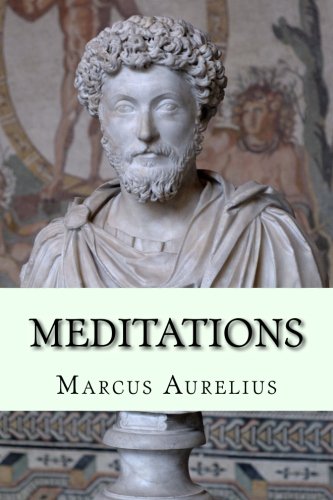
[13:43] Jamie would recommend that you start exploring philosophy with Meditations, by Marcus Aurelius. You don’t need to know philosophy or Stoicism to understand Meditations. Marcus Aurelius was journaling for himself, 2,000 years ago. You can see he was trying to be an honorable person. If he had a bad day, he tried something different. On the second reading, it took on new meaning for Jamie.

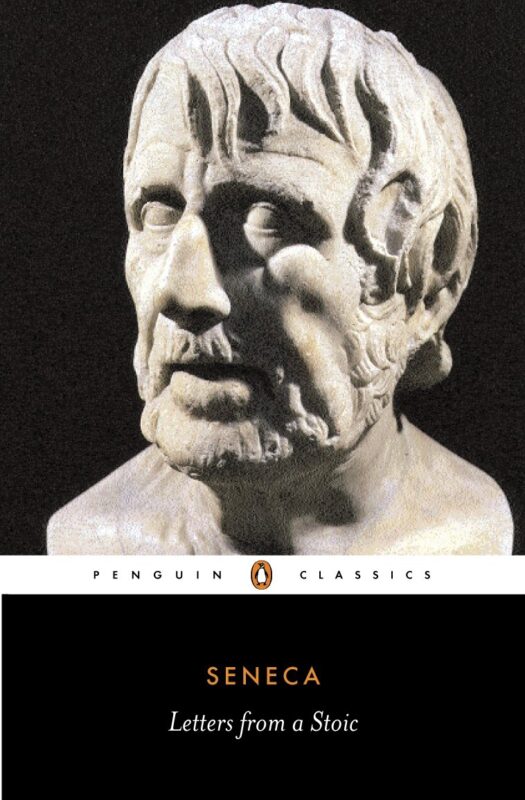
[15:09] Jamie also recommends Letters from a Stoic, by Seneca. Seneca was writing to his friend, distilling lessons he’d learned over a lifetime. You can pick one letter to read a day, and you will find something that resonates with you today from 2,000 years ago.

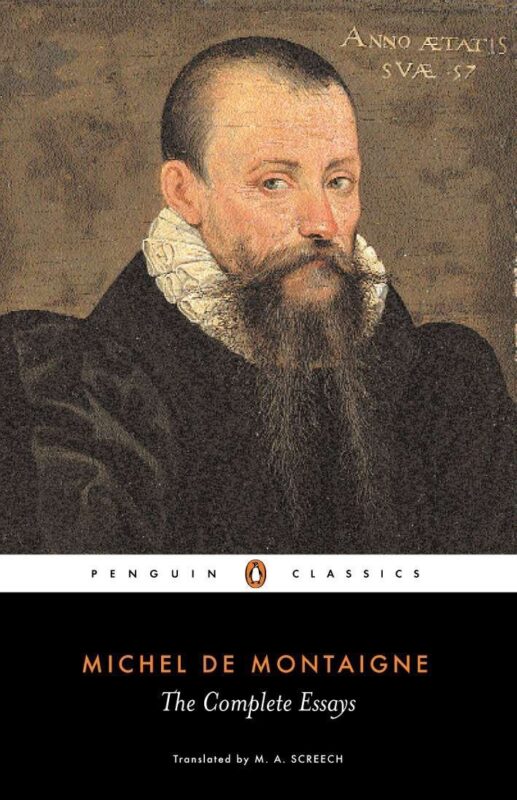
[15:36] Stoicism was Jamie’s gateway into philosophy. He has also studied Skepticism, Existentialism, and Epicureanism. Another book recommendation Jamie gives is The Essays, by Michel de Montaigne. What de Montaigne wrote about a few hundred years ago are the same issues people face day in and day out.

[18:09] Jamie explains the symbiotic relationship between creativity and curiosity.

[20:10] Stoic philosophy involves stepping back and slowing down, which is different from typical business goals. At its crux, it’s about trying to focus on what you can control and what you can’t control. It means taking a break from things.

[21:45] Jamie shares tips for creative writing for business: have a tone-of-voice guide beforehand and then you can push the message across social media, emails, and wherever you need to be to communicate that message. Create it in a voice that makes sense to you and has a connection to the audience you are trying to build community with.

[23:30] Michel de Montaigne created the genre of philosophical writings known as essays. He created boundaries around himself where he could be alone, take a moment to breathe, and be himself.

[26:36] Writing tips: Start with writing a stream of consciousness. This goes back to de Montaigne. Create an environment where you feel comfortable, such as going for a walk or an activity that you are happy to do. Take a step back, then go back to it. Read as much as possible and pick out ideas you might not have thought about before. Distill it down into what you are trying to create on the page.

[28:05] To learn storytelling, start with authenticity. “This is my story. I’ve been through this and it makes sense to me. It communicates to the audience, as well.” It needs to have substance and reflect your values and principles. If there is a cause you support, you need to have the substance behind it, as well. Use ethical rhetoric to support a cause that has substance.

[29:13] Cicero used rhetoric to great effect. Aristotle introduced the three proofs: Logos, Pathos, and Ethos.

[30:28] Leaders need to be concerned about their people; they need to learn to lead themselves so they can lead others. Logos is for persuasion. Ethos is your character. Pathos is connecting with people and empowering them to share their emotions or connect with their customers. Others have different views. [32:18] Jamie’s storytelling advice to leaders: Ask questions and learn from the stories of people around you but “You need your personal values that work into that to create your unique and authentic story, as well. … I would just always remember that it’s always a learning experience.”

[34:49] Closing quote: Remember, “A man who fears suffering is already suffering from what he fears.” — Michel de Montaigne


The Leadership Podcast is sponsored by W.S. Darley & Company.  

Founded in 1908, Darley remains a family owned and operated business, providing the highest quality equipment solutions to our country’s warfighters and firefighters.  

Learn more at darley.com and darleydefense.com


Quotable Quotes

“When I was young, I either chose to be a wrestler or a writer; [they’re] different types of storytelling. … I chose to be a writer but I will always appreciate what [wrestling] taught me.” Share on X “There is a tendency to say that philosophy can seem quite high-minded or academic, … where it’s not, because it is something that you live and breathe.” Share on X “Prior to the pandemic, I felt quite burnt out about a few things, but then, while discovering the subject of philosophy, it clicked, in the sense that it’s something that you can control within the Stoic aspect. … From a mental… Share on X “I would always recommend Marcus Aurelius’s Meditations, because that, to me, is a book that you don’t even need to know what philosophy is, or Stoicism is, to really get to it. In context, Marcus was literally just writing to… Share on X “It’s about balance, as well. … Sometimes you do need to take that step back and just reassess.” Share on X “[To write effectively,] create an environment for yourself where you feel comfortable. … Read as much as possible, … picking ideas from things that are outside your comfort zone, … and then just distilling it down.” Share on X “It starts with authenticity. … Creating that sense that ‘This is my story,’ or “I’ve been through this.’” Share on X “A man who fears suffering is already suffering from what he fears.” — Michel de Montaigne Share on X

Jamie Ryder

These are the books mentioned in our discussion with Jamie

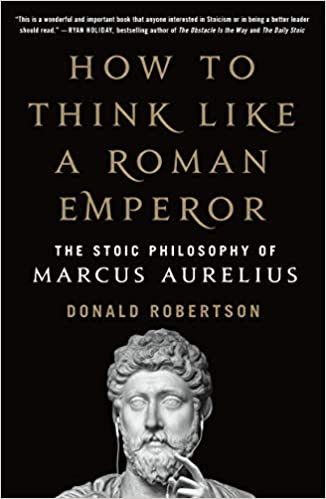
How to Think Like a Roman Emperor: The Stoic Philosophy of Marcus Aurelius

Buy This Book Online
Buy from Amazon
How to Think Like a Roman Emperor: The Stoic Philosophy of Marcus Aurelius
Buy now!
How to Think Like a Roman Emperor: The Stoic Philosophy of Marcus Aurelius

Letters from a Stoic

Buy This Book Online
Buy from Amazon
Letters from a Stoic
Buy now!
Letters from a Stoic

Meditations

Buy This Book Online
Buy from Amazon
Meditations
Buy now!
Meditations

Michel de Montaigne – The Complete Essays

Buy This Book Online
Buy from Amazon
Michel de Montaigne – The Complete Essays
Buy now!
Michel de Montaigne – The Complete Essays

Resources Mentioned

  • Sponsored by: Darley.com
  • Rafti Advisors. LLC
  • Self-Reliant Leadership. LLC
  • Jamie Ryder
  • Stoic Athenaeum
  • WWE
  • The Premeditation of Adversity
  • Seneca
  • Marcus Aurelius
  • Limitless with Chris Hemsworth
  • Skepticism
  • Existentialism
  • Epicureanism
  • Mike Lerario
  • Donald Robertson
  • Schopenhauer
  • Cicero
  • Aristotle and the three proofs

Filed Under: Podcast Tagged With: leadership, philosophy, stoic, stoicism, writing

TLP343: Just Start
TLP345: Confidence and Executive Presence

Related Posts

  • TLP060: Want to Know What A “Best Boss” Knows?
  • TLP082: Real Adversity Yields Great Resiliency
  • TLP109: You Have To Cut Out The Noise
  • TLP102: Jim and Jan Recap The First Hundred Episodes
  • TLP292: Our Brains Are Wired To Think In Pictures
iTunes
Spotify
Audible
SoundCloud
iHeartRADIO

Instagram Feed

westudyleaders

#leadership #leadershiptraining #leader #westudyleaders

Most leaders think tension is toxic. Jim Brown say Most leaders think tension is toxic.Jim Brown says they're wrong.Tension is normal. Predictable. Necessary.The problem isn't that your team disagrees. It's that they don't know what you're aiming for.When people lack clarity around shared goals, disagreements turn into arguments. Someone stomps out. Trust breaks.But when everyone knows what you're actually trying to build together? That same tension becomes energy. Ideas get challenged. Better decisions emerge.Productive tension is anchored in clarity, not comfort.Hear the full conversation on episode 517. https://bit.ly/TLP-YT-517?utm_campaign=coschedule&utm_source=instagram&utm_medium=westudyleaders#productiveconflict #leadershipteams #organizationalhealth #teamdynamics #leadershipdevelopment #conflictresolution #theleadershippodcast #jimbrownorghealth
It's easy to chase the next title. Harder to ask w It's easy to chase the next title. Harder to ask what you're actually building once you get there.Kim's closing message reframes leadership away from status — and toward legacy and impact.Dive into the full conversation now. https://bit.ly/TLP-522?utm_campaign=coschedule&utm_source=instagram&utm_medium=westudyleaders#boldleadership #kimsvoboda #leadershiplegacy #intentionalleadership #executivecoaching #leadershipmindset #leadershippodcast #whatmatters
Your instinct will be to take the ball. Resist it. Your instinct will be to take the ball.Resist it.When your team is struggling, when the pressure's on, your job isn't to score. Your job is to prepare them to score.Joth Ricci understood thisThe moment you solve it for them is the moment they stop growing.Learn the principle https://bit.ly/TLP-YT-516?utm_campaign=coschedule&utm_source=instagram&utm_medium=westudyleaders#leadership #coachingleadership #managementtips #leadershiplessons #teamdevelopment #executiveleadership #westudyleaders #theleadershippodcast
Most leaders think they need to be the smartest pe Most leaders think they need to be the smartest person in the room.Patrick Emmons disagrees — founder of Dragon Spears, president of Improving Chicago, 25 years building and selling companies.This episode breaks down why leadership at every level beats leadership at the top, and why authenticity means accepting your own growth, not demanding acceptance as-is.Listen to the full conversation now. https://bit.ly/TLP-524?utm_campaign=coschedule&utm_source=instagram&utm_medium=westudyleadersWatch it on YouTube - https://bit.ly/TLP-YT-524?utm_campaign=coschedule&utm_source=instagram&utm_medium=westudyleaders#leadership #leadershipdevelopment #entrepreneurship #authenticleadership #businessgrowth #executivecoaching #leadershippodcast #teamdevelopment
Patrick Ryan names the practice most leaders never Patrick Ryan names the practice most leaders never do. Before you decide. Before you send that email. Before you justify it to yourself. Take a step back. Ask: What would a knowledgeable, impartial observer think of this? That's the impartial spectator. It's not philosophy. It's a daily tool. One question. Applied consistently. It changes everything.Watch the full episode. https://bit.ly/TLP-YT-519?utm_campaign=coschedule&utm_source=instagram&utm_medium=westudyleaders#leadership #ethics #decisionmaking #adamsmith #leadershippodcast #corporateethics #executiveleadership #virtuouscapitalism
You can talk about work-life balance all day. You You can talk about work-life balance all day.Your team is watching what you actually do.Tom Rath says most leaders preach rest and recovery, then model the opposite. First in. Last out. Never fully off.If you want a well-rested team, be the first one to log off.Listen to Tom Rath's full conversation on the show. https://bit.ly/TLP-523?utm_campaign=coschedule&utm_source=instagram&utm_medium=westudyleaders#tomrath #leadershippodcast #leadingbyexample #executivecoaching #workplaceculture #burnoutprevention #leadershipmindset #peoplefirstleadership
You've been thinking about bravery all wrong. It's You've been thinking about bravery all wrong. It's not a trait you're born with. It's a skill you build. Jill Schulman is a Marine Corps veteran, keynote speaker, and bravery scientist with a master's in positive psychology from UPenn. This episode breaks down the myths holding you back, the science of the comfort trap, and the exact three-stage framework to push your team toward extraordinary performance. Discover what builds real courage. https://bit.ly/TLP-518?utm_campaign=coschedule&utm_source=instagram&utm_medium=westudyleadersWatch it on YouTube - https://bit.ly/TLP-YT-518?utm_campaign=coschedule&utm_source=instagram&utm_medium=westudyleaders#bravery #leadershipdevelopment #personalgrowth #stoicism #positivepsychology #westudyleaders #theleadershippodcast #fearless #coachinglife #leadershiplessons
Your people spend more hours with you than with th Your people spend more hours with you than with their families.That's not a business metric. That's a moral obligation.David Gray sees it as both privilege and responsibility. You're not just developing workers. You're developing humans—their skills, their confidence, their sense of purpose.Most leaders treat people like resources. David treats them like people entrusted to his care for a significant portion of their lives.It changes everything about how you lead.Explore David's complete philosophy on servant leadership. https://bit.ly/TLP-520?utm_campaign=coschedule&utm_source=instagram&utm_medium=westudyleaders#leadershipphilosophy #servantleadership #peopledevelopment #westudyleaders #theleadershippodcast #teamleadership #managementphilosophy #compassionateLeadership
Most leaders treat ethics as a cost. Patrick Ryan Most leaders treat ethics as a cost. Patrick Ryan says that's backwards. Morality isn't friction. It's the lubricant that makes markets actually function. Without it, you don't have capitalism. You have extraction. This is what modern business gets fundamentally wrong—and how it shifts everything about how you lead.Watch the full conversation. https://bit.ly/TLP-YT-519?utm_campaign=coschedule&utm_source=instagram&utm_medium=westudyleaders#capitalism #ethics #leadership #adamsmith #moralcapitalism #businessethics #leadershippodcast #virtuouscapitalism
Most people wait until they feel ready before taki Most people wait until they feel ready before taking action. Jill Schulman's research in positive psychology proves that's backwards. Confidence doesn't come first. Action does. Every time you move forward despite fear, you're building the neural pathways that create real confidence. Move forward before you feel ready.Discover why action comes first. https://bit.ly/TLP-518?utm_campaign=coschedule&utm_source=instagram&utm_medium=westudyleaders#bravery #leadershipdevelopment #personalgrowth #psychology #fearless #confidence #mindset #actiontaker
There's a formula to building bravery. Jill Schulm There's a formula to building bravery. Jill Schulman, bravery expert and Marine Corps veteran, breaks down the three-stage framework. Stage one: master your mindset. Shift from fixed to growth. Stage two: take action before you feel ready. Confidence comes after, not before. Stage three: curate your tribe. Surround yourself with people who won't let you quit. The genius part? They reinforce each other. Each stage amplifies the next. Master the three-stage formula. https://bit.ly/TLP-YT-518?utm_campaign=coschedule&utm_source=instagram&utm_medium=westudyleaders#bravery #leadershipdevelopment #personalgrowth #framework #mindset #courage #leadership #psychology
Most leaders say they prioritize people. David Gra Most leaders say they prioritize people. David Gray actually does it—and it's made all the difference.David Gray, CEO of Fed Up Foods, has doubled his team, scaled to become the largest functional beverage supplier to major retailers, and navigated Hurricane Helene without compromising his mission.In this episode, he shares the four-point crisis playbook he used when infrastructure failed, why connection must come before accountability, and what he learned about empathetic leadership.Listen now. https://bit.ly/TLP-520?utm_campaign=coschedule&utm_source=instagram&utm_medium=westudyleadersWatch it here https://bit.ly/TLP-YT-520?utm_campaign=coschedule&utm_source=instagram&utm_medium=westudyleaders#leadershipdevelopment #crisisleadership #valuesdriven #empathyatwork #culturebuilding #westudyleaders #theleadershippodcast #missiondriven #davidgray #fedupfoods
You think debate teaches people to fight harder. You think debate teaches people to fight harder.Murshad Chowdhury says it actually teaches them to listen better.In competition format, you learn how to refute without destroying.You learn to ask questions instead of defending positions.And here's what changes everything: the goal isn't winning. The goal is understanding.That's the skill that transforms workplaces.Watch the full episode: https://bit.ly/TLP-YT-515?utm_campaign=coschedule&utm_source=instagram&utm_medium=westudyleaders#debateskills #leadershiplesons #communicationskills #listeningskills #teamleadership #conflictresolution #theleadershippodcast #workplaceculture
When Hurricane Helene destroyed David Gray's facil When Hurricane Helene destroyed David Gray's facilities, he didn't panic.He built a playbook.Step one: Know if your people are safe and what they need. Step two: Assess your operations for damage or compromise. Step three: Communicate with customers about impact and timeline. Step four: Keep everyone informed of progress, even if you don't have all the answers yet.David learned that people don't need you to be perfect. They need you to be clear and consistent.Listen to the full episode for his complete crisis leadership framework. https://bit.ly/TLP-YT-520?utm_campaign=coschedule&utm_source=instagram&utm_medium=westudyleaders#crisisleadership #leadership #leadershiplessons #teamculture #management #podcast #davidgray #theleadershippodcast
Most networking advice is training you to waste yo Most networking advice is training you to waste your time in the wrong rooms.Donnie Boivin, CEO of Success Champion Networking and creator of the C3 Model, built a 30-chapter, 450-member organization on one reframe: networking means building other people's businesses, not collecting business cards.This episode breaks down his 30/30/30 framework, the Home Depot story that changed everything, and why give-give-get-give beats give-first-to-gain-everything.Listen now, then rethink your next room. https://bit.ly/TLP-521?utm_campaign=coschedule&utm_source=instagram&utm_medium=westudyleadersWatch it on YouTube -https://bit.ly/TLP-YT-521?utm_campaign=coschedule&utm_source=instagram&utm_medium=westudyleaders#leadership #networking #businessdevelopment #salesleadership #b2bsales #leadershippodcast #executivecoaching #relationshipbuilding #salesstrategy #entrepreneurship
A positive mindset isn't simply about feeling good A positive mindset isn't simply about feeling good.@shawnachor's research explores what happens when the brain approaches challenges from a more positive state. The result can extend beyond how we feel, influencing how we perform, solve problems, and respond to the situations in front of us.That makes positivity more than an attitude. It becomes a way of changing how we approach life and work.Learn how the brain's state can influence the outcomes we create.#Leadership #PositivePsychology #LeadershipDevelopment #Mindset #ShawnAchor #LeadershipPodcast
Culture isn't something you mandate from the C-sui Culture isn't something you mandate from the C-suite. It's built by the people doing the work.David built Fed Up Foods on this principle, and it's why his team stayed committed through disruption, crisis, and rapid growth.When you invite people to shape how you work together, they own it. When you tell them how to work, they comply.The difference is everything.Listen to David's full framework for culture-building that lasts. https://bit.ly/TLP-520?utm_campaign=coschedule&utm_source=instagram&utm_medium=westudyleaders#culturebuilding #leadership #teamculture #leadershipdevelopment #westudyleaders #peopleirst #theleadershippodcast #valuesdriven
Patrick Emmons wasn't a great student. He'll tell Patrick Emmons wasn't a great student.He'll tell you that himself.But he's built and sold three companies over 25 years.His point: the hero story isn't the requirement people think it is.Hear Patrick's full story on episode 524. https://bit.ly/TLP-524?utm_campaign=coschedule&utm_source=instagram&utm_medium=westudyleaders#leadership #entrepreneurship #growthmindset #careeradvice
Most leaders treat growth like a race. Joth Ricci Most leaders treat growth like a race.Joth Ricci treats it like a marathon.When you scale too fast, something breaks. The question isn't IF—it's WHAT.He managed Dutch Bros from 27 locations to 92 in three years without losing the culture. Here's the principle that made it possible.See how he scaled: https://bit.ly/TLP-YT-516?utm_campaign=coschedule&utm_source=instagram&utm_medium=westudyleaders#scaling #leadership #organizationalculture #businessgrowth #leadershiplessons #dutchbros #westudyleaders #theleadershippodcast
Complexity doesn't announce itself. There's no sig Complexity doesn't announce itself.There's no sign on the wall.David Craig ran Refinitiv through some of the toughest years in financial services, and he says the first warning sign isn't in the numbers.It's in the answers. Ask three people what the company does. If you get three different answers, you've found the problem.David walks through what he actually looks for when walking into a struggling organization.Full episode is live now https://bit.ly/TLP-YT-525?utm_campaign=coschedule&utm_source=instagram&utm_medium=westudyleaders#leadership #davidcraig #organizationalculture #businesstransformation #leadershippodcast #executivecoaching #companyculture #leadershipdevelopment
Follow on Instagram

Recent Posts

  • TLP529: How Steve Jobs Learned to Lead with Geoffrey Cain
  • TLP528: The Beliefs That Shape Success with Shawn Achor
  • TLP 527: The Intelligence Trap: Why Smart Leaders Make Bad Decisions
  • TLP526: The Surprising Link Between Great Parents and Great Leaders
  • TLP525: When Complexity Becomes the Biggest Obstacle

Recent Comments

  • Anonymous on TLP519: The Leadership Idea We Missed for 250 Years
  • Anonymous on TLP513: The Leadership Cost of Isolation with Nick Black
  • Anonymous on TLP511: What 500 Top Leaders Taught Us — And Why It’s Not What You Think
  • Anonymous on TLP508: Your Scars Are Your Resume
  • Anonymous on TLP505: Why Leadership Coaching So Often Fails

Tags

adaptability assumptions athletics business change coaching communication corporate crucible culture Curiosity decision making education emotional intelligence entrepreneur Executive Coaching financial history humor innovation interview Jan Rutherford Jim & Jan Jim Vaselopulos leader leadership leadership development Leadership Podcast military neuroscience Personal Growth philosophy practitioner productivity relationships resilience speaker sports stories team development teamwork thought leader trust veterans workplace culture

Copyright © 2026 Rafti Advisors, LLC & Self-Reliant Leadership, LLC - All Rights Reserved. | Privacy Policy