

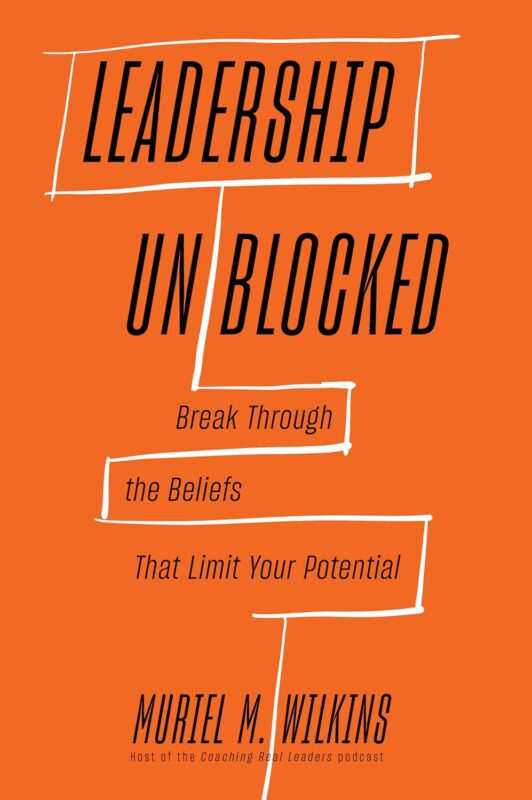
Muriel M. Wilkins is the founder and CEO of Paravis Partners, host of the HBR podcast, Coaching Real Leaders, and author of “Leadership Unblocked: Break Through the Beliefs That Limit Your Potential.”
Muriel makes the case that lasting leadership change doesn’t come from better tactics. It comes from changing the hidden assumptions driving those tactics in the first place.
Drawing on research with over 300 coaching clients, Muriel introduces seven hidden blockers—simple, pervasive beliefs that quietly sabotage even the most capable leaders. She explains why high performers are especially vulnerable, why action bias becomes a liability at the top, and what “doing the inner work” actually looks like when you’re in the thick of real pressure and expectations.
This is one of the most practically grounded conversations we’ve had on self-awareness, sustainable change, and what it really takes to lead at the next level.
Watch this Episode on YouTube | Muriel M. Wilkins on 7 Hidden Beliefs That Sabotage Leaders (And How to Break Them)
Key Takeaways
[03:07] Muriel explains why “is it them or is it me?” is the wrong question—and what to ask instead.
[04:57] The assumptions layer of the VABES framework: why changing behavior without changing the belief beneath it never sticks.
[07:09] The seven hidden blockers outlined: I need to be involved. I need it done now. I know I’m right. I can’t make a mistake. If I can do it, so can you. I can’t say no. I don’t belong here.
[09:09] Why “I need to be involved” is the #1 blocker for leaders trying to scale up—and how it keeps them stuck in the weeds at exactly the wrong moment.
[11:26] How action-orientation—a strength that builds careers—becomes a liability when it skips the half of the equation that makes change sustainable.
[13:43] Muriel argues that Western culture rewards controlling the external — questioning the internal was never part of the deal.
[18:45] What to do when a hidden blocker gets surfaced: why these beliefs aren’t the enemy, and the three-step approach to working with them rather than against them.
[22:56] Muriel challenges the idea of fixed personality, it’s mostly learned beliefs, and adults can choose to examine them.
[27:17] Muriel reveals that in 22 years of coaching, not one client has ever called asking to work on their beliefs — the readiness has to come first.
[29:15] What “doing the inner work” actually looks like inside a real coaching conversation—under pressure, with no time to think.
[33:14] Muriel’s origin story: the client results that wouldn’t stick, the personal walls she kept hitting, and the Michael Singer quote that reframed everything.
[37:11] Muriel admits she found herself in all seven blockers while writing the book, not just the one or two she expected.
[41:24] The pro tip: two words. Be curious. Not about others—about what you’re thinking, and whether it’s aligned with where you want to go.
[43:12] And remember…“It’s not the events of our lives that shape us, but our beliefs as to what those events mean.” — Tony Robbin

The Leadership Podcast is sponsored by W.S. Darley & Company.
Founded in 1908, Darley remains a family owned and operated business, providing the highest quality equipment solutions to our country’s warfighters and firefighters.
Learn more at darley.com and darleydefense.com
Quotable Quotes
"You have to go back and question the assumptions that went into the model. You didn't go in and rejigger the model itself." Share on X "We spend so much time trying to make everything on the outside okay so that we can feel okay on the inside." — Michael Singer, cited by Muriel Share on X "It's not about getting rid of them. It's about understanding and being strategic and having choice around when you use them." Share on X "It is not the events of our lives that shape us, but our beliefs as to what those events mean." Share on X "What you think your personality is not really your personality. Your personality is just a bunch of learned behaviors that came out of learned beliefs." Share on X "You have a portfolio of beliefs, and you should be able to tap into any of them at any given time." Share on X "They're not the enemy. They're just not the friend that you want to have at that given moment." Share on X "In order to get results on the outside, you've got to make sure that the inside is also aligned." Share on X "Do you want to make the change before something else forces you to do it, or do you want to just wait?" Share on X "What am I thinking about myself, about the other, about the situation — and is it helping me or is it not?" Share on X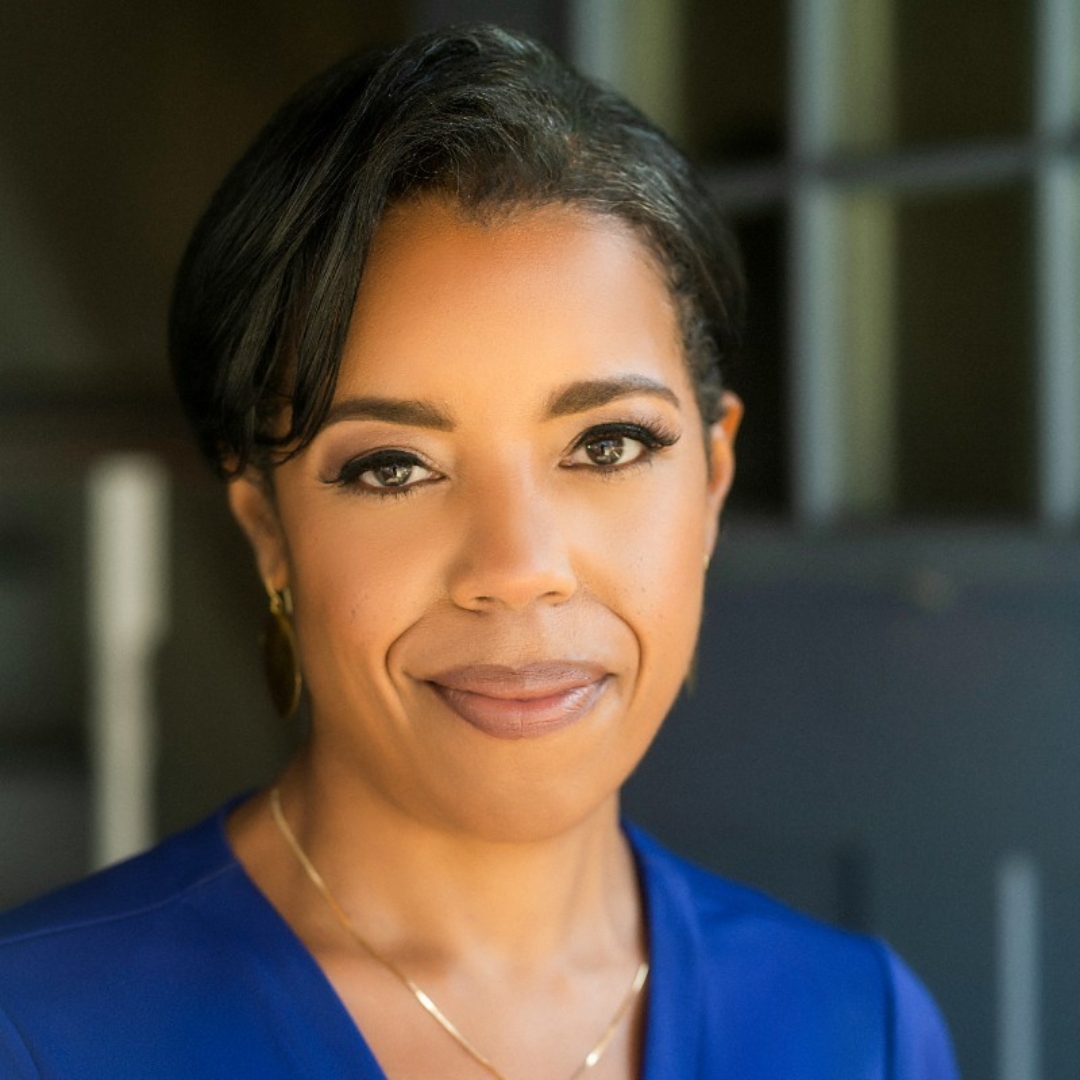
This is the book mentioned in this episode


Resources Mentioned
- The Leadership Podcast | theleadershippodcast.com
- Sponsored by | www.darley.com
- Rafti Advisors. LLC | www.raftiadvisors.com
- Self-Reliant Leadership. LLC | selfreliantleadership.com
- Muriel M. Wilkins Website | murielwilkins.com
- HBR podcast Coaching Real Leaders | www.murielwilkins.com/podcast-coaching-real-leaders
- Twitter | @murielmwilkins
- Facebook | www.facebook.com/coachingrealleaders
- LinkedIn | www.linkedin.com/in/murielwilkins
- Instagram | @coachmurielwilkins
Love her insights and ability to articulate them. Grateful she committed them to a book. Thank you for giving her lots of show time to express herself well. Respect!
A few thoughts/questions came to mind;
Was Muriel also describing Meta-Performance — how work is done rather than just increasing output, aimed at continuous reinvention and sustainable, high-level impact?
Did she highlight making that shift from producing results to transforming the approach to leadership?
I am so tired of hearing about high performers.
I like the attitude behind the question; what am I/we really capable of?
12 step recovery groups are good for exposing hidden beliefs/patterns and doing deep inner work. They are free and help us spot our bull*hit/hypocrisy.
Awareness, Acceptance, Change is a helpful slogan they use.
I have a fire, aim, ready personality.
I really liked Jim’s question about how our childhood environment and how authority figures can either nurture or oppress our curiosity. Curiosity killed the cat is still appropo in some cultures.
I always enjoyed how incurably curious I could be in America?
“Communication is the illusion that it has taken place.” George Bernard Shaw.
The biggest hurdle in communication is assuming that because you spoke, you were understood. It highlights that sending a message is not the same as receiving, understanding, or acting upon it, leading to the illusion that communication actually occurred.
Is US foreign policy a good example of short-term thinking and gains?
How do you rest and recharge deeply as an employee or leader when your vacation time is so limited?