• Home
  • Episodes
  • Books for Leaders
  • About Us
    • Our Team
    • Contact Us
  • Our Sponsors
  • Blog
  • Our Newsletter
The Leadership Podcast

The Leadership Podcast

We Study Leaders

The Paradox of Choice: Why More Is Less

October 10, 2016

The Paradox of Choice: Why More Is Less

Whether we're buying a pair of jeans, ordering a cup of coffee, selecting a long-distance carrier, applying to college, choosing a doctor, or setting up a 401(k), everyday decisions—both big and small—have become increasingly complex due to the overwhelming abundance of choice with which we are presented.

Order Now!
About the Book

As Americans, we assume that more choice means better options and greater satisfaction. But beware of excessive choice: choice overload can make you question the decisions you make before you even make them, it can set you up for unrealistically high expectations, and it can make you blame yourself for any and all failures. In the long run, this can lead to decision-making paralysis, anxiety, and perpetual stress. And, in a culture that tells us that there is no excuse for falling short of perfection when your options are limitless, too much choice can lead to clinical depression.

In The Paradox of Choice, Barry Schwartz explains at what point choice—the hallmark of individual freedom and self-determination that we so cherish—becomes detrimental to our psychological and emotional well-being. In accessible, engaging, and anecdotal prose, Schwartz shows how the dramatic explosion in choice—from the mundane to the profound challenges of balancing career, family, and individual needs—has paradoxically become a problem instead of a solution. Schwartz also shows how our obsession with choice encourages us to seek that which makes us feel worse.

By synthesizing current research in the social sciences, Schwartz makes the counter intuitive case that eliminating choices can greatly reduce the stress, anxiety, and busyness of our lives. He offers eleven practical steps on how to limit choices to a manageable number, have the discipline to focus on those that are important and ignore the rest, and ultimately derive greater satisfaction from the choices you have to make.

Details
Author: CCC Show Mentions Prominent
Series: Bruce Temkin
Tags: Business, Recommended Books, Science
ASIN: 0060005696
Order Now
Buy from Amazon
Share
Facebook Twitter Google+
Other Books on the Show in the "Bruce Temkin"
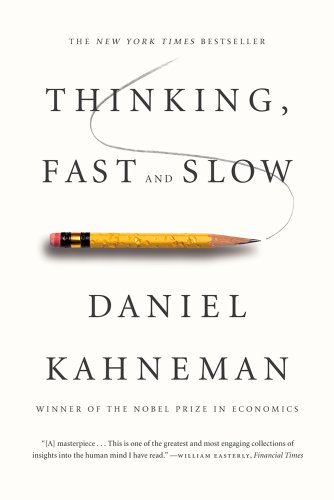
Thinking Fast & Slow
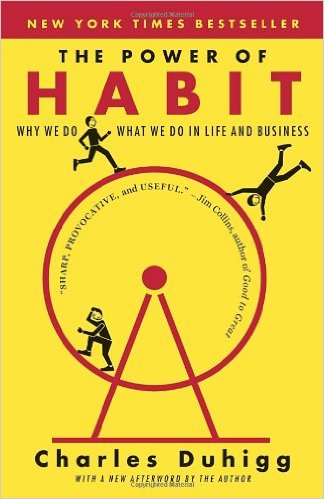
The Power of Habit
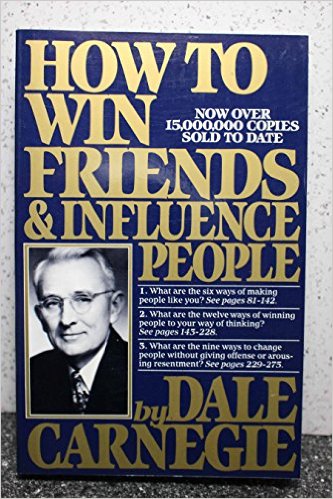
How to Win Friends and Influence People
Preview
Disclosure of Material Connection: Some of the links in the page above are "affiliate links." This means if you click on the link and purchase the item, I will receive an affiliate commission. I am disclosing this in accordance with the Federal Trade Commission's 16 CFR, Part 255: "Guides Concerning the Use of Endorsements and Testimonials in Advertising."
Selling to the Old Brain: How New Discoveries...
15 Secrets Successful People Know About Time ...

Related Posts

  • TLP303: Ancient Lessons for Modern Resilience
  • TLP380: Mastering the Basics: Simple Lessons for Achieving Success with Dean Karrel
  • TLP400: Showcasing Contributions versus Blatant Self-Promotion with Karen Tiber Leland
  • Patagonia Prep #3 – Organic Chemistry
  • TLP409: The Audience is the Hero With Rick Tocquigny
iTunes
Spotify
Audible
SoundCloud
iHeartRADIO

Instagram Feed

westudyleaders

#leadership #leadershiptraining #leader #westudyleaders

Jim Vaselopulos and Jan Rutherford describe four w Jim Vaselopulos and Jan Rutherford describe four ways leaders can shape a tribe: subtraction, division, addition, and multiplication.The first is leadership by subtraction. Jim describes it as a form of bullying, where a leader elevates themselves by pushing someone else down.It raises a useful question for leaders: Are you building your own position by developing others, or by diminishing them?This is the first of four leadership approaches discussed in the full conversation. Watch the full episode to hear the other three.#Leadership #LeadershipDevelopment #LeadershipLessons #LeadershipCulture #OrganizationalCulture #TheLeadershipPodcast
Hitting a wall doesn't always mean you have failed Hitting a wall doesn't always mean you have failed.Sometimes it tells you something about the limits of your current approach. The question is what you do next. Reconsider the vision, the people around you, the resources, or the path itself.Sometimes the wall is information.#Leadership #LeadershipMindset #LeadershipLessons #Adversity #Failure #DecisionMaking #TheLeadershipPodcast
Kindness is often confused with being nice. Ron J Kindness is often confused with being nice.Ron Johnson makes a different distinction. Kindness can include honesty, high standards, and difficult conversations. What changes is the way those things are delivered.The goal isn't to lower the standard. It's to create an environment where people can meet it.#Leadership #KindnessInLeadership #LeadershipDevelopment #CompanyCulture #LeadershipLessons #TheLeadershipPodcast
Not every vision deserves to be protected forever. Not every vision deserves to be protected forever.Good leadership requires the judgment to recognize when persistence has become attachment, and the willingness to change direction when the evidence says it is time.Sometimes the most important leadership decision is not pushing harder. It is thinking differently.#Leadership #LeadershipLessons #LeadershipDevelopment #DecisionMaking #VisionaryLeadership #TheLeadershipPodcast
Most companies reward CEOs for riding good markets Most companies reward CEOs for riding good markets and punish them for bad timing. Patrick Ryan says that's backwards. If the boom isn't your doing, the credit isn't yours. If the crash isn't your fault, the blame isn't either. Judge leaders on what they actually controlled. On the value they built. Not on the luck they rode. That changes how you hire, promote, and evaluate performance.Hear the full conversation. https://bit.ly/TLP-519?utm_campaign=coschedule&utm_source=instagram&utm_medium=westudyleaders#leadership #ethics #performance #accountability #executiveleadership #moralcapitalism #leadershippodcast #businessethics
Perfectionism doesn't make leaders bolder. It make Perfectionism doesn't make leaders bolder. It makes them slower.Kim learned this from a CEO who taught her the 80/20 rule — enough data to decide, then move. The last 20% almost never changes the outcome.If you're stuck waiting for certainty, this is your permission to go. https://bit.ly/TLP-522?utm_campaign=coschedule&utm_source=instagram&utm_medium=westudyleaders#boldleadership #kimsvoboda #decisionmaking #executivecoaching #leadershipmindset #intentionalleadership #leadershippodcast #decisiveleadership
Kim Svoboda was on a plane 85% of the time. Chasin Kim Svoboda was on a plane 85% of the time. Chasing the job title she thought she wanted.Then a simple values exercise stopped her cold. Family was #1 on her list. She wasn't living anywhere near it.That gap is what most leaders never stop to check.Hear what broke her wide open. https://bit.ly/TLP-YT-522?utm_campaign=coschedule&utm_source=instagram&utm_medium=westudyleaders#boldleadership #kimsvoboda #executiveburnout #leadershipvalues #worklifebalance #careertransition #leadershippodcast #intentionalleadership
He was one of Kim Svoboda's best performers. He wa He was one of Kim Svoboda's best performers. He was also a bully.She tolerated it. The results were good. Then he quit in a rage.A week later, the truth came out. Team culture lifted almost overnight.Kim breaks down what tolerating bad behavior really costs a team.Ask yourself who's costing you culture. https://bit.ly/TLP-YT-522?utm_campaign=coschedule&utm_source=instagram&utm_medium=westudyleaders#boldleadership #kimsvoboda #teamculture #toxicemployee #leadershipdevelopment #highperformingteams #leadershippodcast #accountability
Your people spend more hours with you than with th Your people spend more hours with you than with their families.That's not a business metric. That's a moral obligation.David Gray sees it as both privilege and responsibility. You're not just developing workers. You're developing humans—their skills, their confidence, their sense of purpose.Most leaders treat people like resources. David treats them like people entrusted to his care for a significant portion of their lives.It changes everything about how you lead.Explore David's complete philosophy on servant leadership. https://bit.ly/TLP-520?utm_campaign=coschedule&utm_source=instagram&utm_medium=westudyleaders#leadershipphilosophy #servantleadership #peopledevelopment #westudyleaders #theleadershippodcast #teamleadership #managementphilosophy #compassionateLeadership
Strong conviction can help a leader make bold deci Strong conviction can help a leader make bold decisions. But conviction can also make it harder to recognize when an idea needs to change.Ron Johnson reflects on his experience at J.C. Penney and acknowledges that he held too tightly to his original vision.Leadership isn't about being right every time. It also requires the humility to recognize when you were wrong and learn from it.#Leadership #LeadershipDevelopment #LeadershipLessons #LeadershipMindset #DecisionMaking #HumilityInLeadership #TheLeadershipPodcast
Patrick Ryan names the practice most leaders never Patrick Ryan names the practice most leaders never do. Before you decide. Before you send that email. Before you justify it to yourself. Take a step back. Ask: What would a knowledgeable, impartial observer think of this? That's the impartial spectator. It's not philosophy. It's a daily tool. One question. Applied consistently. It changes everything.Watch the full episode. https://bit.ly/TLP-YT-519?utm_campaign=coschedule&utm_source=instagram&utm_medium=westudyleaders#leadership #ethics #decisionmaking #adamsmith #leadershippodcast #corporateethics #executiveleadership #virtuouscapitalism
Most people treat networking like a numbers game. Most people treat networking like a numbers game.Donnie Boivin treats it like a business model.The shift from collecting contacts to building other people's success is what actually opens doors.Hear how he built an entire company around it in this week's episode. https://bit.ly/TLP-521?utm_campaign=coschedule&utm_source=instagram&utm_medium=westudyleaders#networking #leadership #businessdevelopment #relationshipbuilding #salesmindset #entrepreneurship #leadershippodcast #b2bsales
Most leaders say they prioritize people. David Gra Most leaders say they prioritize people. David Gray actually does it—and it's made all the difference.David Gray, CEO of Fed Up Foods, has doubled his team, scaled to become the largest functional beverage supplier to major retailers, and navigated Hurricane Helene without compromising his mission.In this episode, he shares the four-point crisis playbook he used when infrastructure failed, why connection must come before accountability, and what he learned about empathetic leadership.Listen now. https://bit.ly/TLP-520?utm_campaign=coschedule&utm_source=instagram&utm_medium=westudyleadersWatch it here https://bit.ly/TLP-YT-520?utm_campaign=coschedule&utm_source=instagram&utm_medium=westudyleaders#leadershipdevelopment #crisisleadership #valuesdriven #empathyatwork #culturebuilding #westudyleaders #theleadershippodcast #missiondriven #davidgray #fedupfoods
Donnie Boivin doesn't work the room. He plants his Donnie Boivin doesn't work the room.He plants his feet and lets the room come to him.He calls it command presence, and it's a leadership skill, not a personality trait. The best leaders aren't controlling every conversation, they're guiding the room just by how they show up.Hear Donnie break down what that actually looks like in practice. Full episode is live now. https://bit.ly/TLP-YT-521?utm_campaign=coschedule&utm_source=instagram&utm_medium=westudyleaders#leadership #networking #executivepresence #personalbranding #leadershipdevelopment #salesleadership #leadershippodcast #businessgrowth
Most leaders treat ethics as a cost. Patrick Ryan Most leaders treat ethics as a cost. Patrick Ryan says that's backwards. Morality isn't friction. It's the lubricant that makes markets actually function. Without it, you don't have capitalism. You have extraction. This is what modern business gets fundamentally wrong—and how it shifts everything about how you lead.Watch the full conversation. https://bit.ly/TLP-YT-519?utm_campaign=coschedule&utm_source=instagram&utm_medium=westudyleaders#capitalism #ethics #leadership #adamsmith #moralcapitalism #businessethics #leadershippodcast #virtuouscapitalism
Great leadership doesn't require charisma. David Great leadership doesn't require charisma.David Robson points to two qualities that matter when influencing other people: warmth and competence.Can people trust you? Do they believe you know what you're talking about?That combination matters more than being naturally charismatic, entertaining, or a great orator.And unlike charisma, these are qualities leaders can deliberately develop.#leadership #leadershipdevelopment #influence #executiveleadership #trust #communication #leadershippsychology #davidrobson #leadershippodcast
A leader's mindset doesn't always stay with the le A leader's mindset doesn't always stay with the leader.David Robson explains how negative expectations can spread through an organization. When leaders signal that they don't have much faith in someone's capability, that person can begin to internalize the message. Anxiety rises. Confidence falls. And the mental space that should be used for creativity and problem-solving gets consumed by doubt.Sometimes leadership isn't about what you say to someone.It's about what your behavior tells them you believe they are capable of.#leadership #leadershipdevelopment #leadershippsychology #teamculture #employeeengagement #selfefficacy #davidrobson #leadershippodcast
Innovation isn't always about having a new idea. S Innovation isn't always about having a new idea. Sometimes it's about recognizing that the idea you've already invested in isn't working the way it should.Ron Johnson shares how Steve Jobs was willing to rethink the Apple Store, even after months of work had already gone into it.The willingness to start over can be part of the innovation process, not a failure of it.#Innovation #Leadership #SteveJobs #RonJohnson #AppleStore #LeadershipLessons #InnovationLeadership #TheLeadershipPodcast
Most people wait until they feel ready before taki Most people wait until they feel ready before taking action. Jill Schulman's research in positive psychology proves that's backwards. Confidence doesn't come first. Action does. Every time you move forward despite fear, you're building the neural pathways that create real confidence. Move forward before you feel ready.Discover why action comes first. https://bit.ly/TLP-518?utm_campaign=coschedule&utm_source=instagram&utm_medium=westudyleaders#bravery #leadershipdevelopment #personalgrowth #psychology #fearless #confidence #mindset #actiontaker
Leadership creates a difficult tension. Leaders ha Leadership creates a difficult tension. Leaders have to develop their people while also making sure their time is going toward the work only they can do.The challenge is that developing people isn't a one-time task. It requires continued support, appreciation, and attention.The work of leadership is figuring out how to do both, and when each requires your attention.#Leadership #LeadershipDevelopment #LeadershipLessons #TimeManagement #PeopleLeadership #TheLeadershipPodcast
Follow on Instagram

Recent Posts

  • TLP534: What If You’re Wrong?
  • TLP533: What CEOs and Young Graduates Can Teach Each Other
  • TLP532: Sheer Will: The Unlikely Path from Cuba to the Cabinet
  • TLP531: Tribalism, Belonging, and the Leader’s Role
  • TLP530: Leadership Lessons from Building the Apple Store with Ron Johnson

Recent Comments

  • Anonymous on TLP519: The Leadership Idea We Missed for 250 Years
  • Anonymous on TLP513: The Leadership Cost of Isolation with Nick Black
  • Anonymous on TLP511: What 500 Top Leaders Taught Us — And Why It’s Not What You Think
  • Anonymous on TLP508: Your Scars Are Your Resume
  • Anonymous on TLP505: Why Leadership Coaching So Often Fails

Tags

adaptability assumptions athletics business change coaching communication corporate crucible culture Curiosity decision making education emotional intelligence entrepreneur Executive Coaching financial history humor innovation interview Jan Rutherford Jim & Jan Jim Vaselopulos leader leadership leadership development Leadership Podcast military neuroscience Personal Growth philosophy practitioner productivity relationships resilience speaker sports stories team development teamwork thought leader trust veterans workplace culture

Copyright © 2026 Rafti Advisors, LLC & Self-Reliant Leadership, LLC - All Rights Reserved. | Privacy Policy